
0

Doshas Demystified

What are Doshas?

Adapted from Joy of Balance by Divya Alter (Rizzoli, 2022)

According to Ayurveda, everything on earth is made up of five elemental energies or states of matter (commonly known as the five elements):

Earth: The state of solidity and stability
Water: The state of fluidity, moisture and flow
Fire: The state of heat and transformation; that which engulfs whatever it comes into contact with
Air: The state of mobility and movement
Ether: The space or the field that contains the above four elements

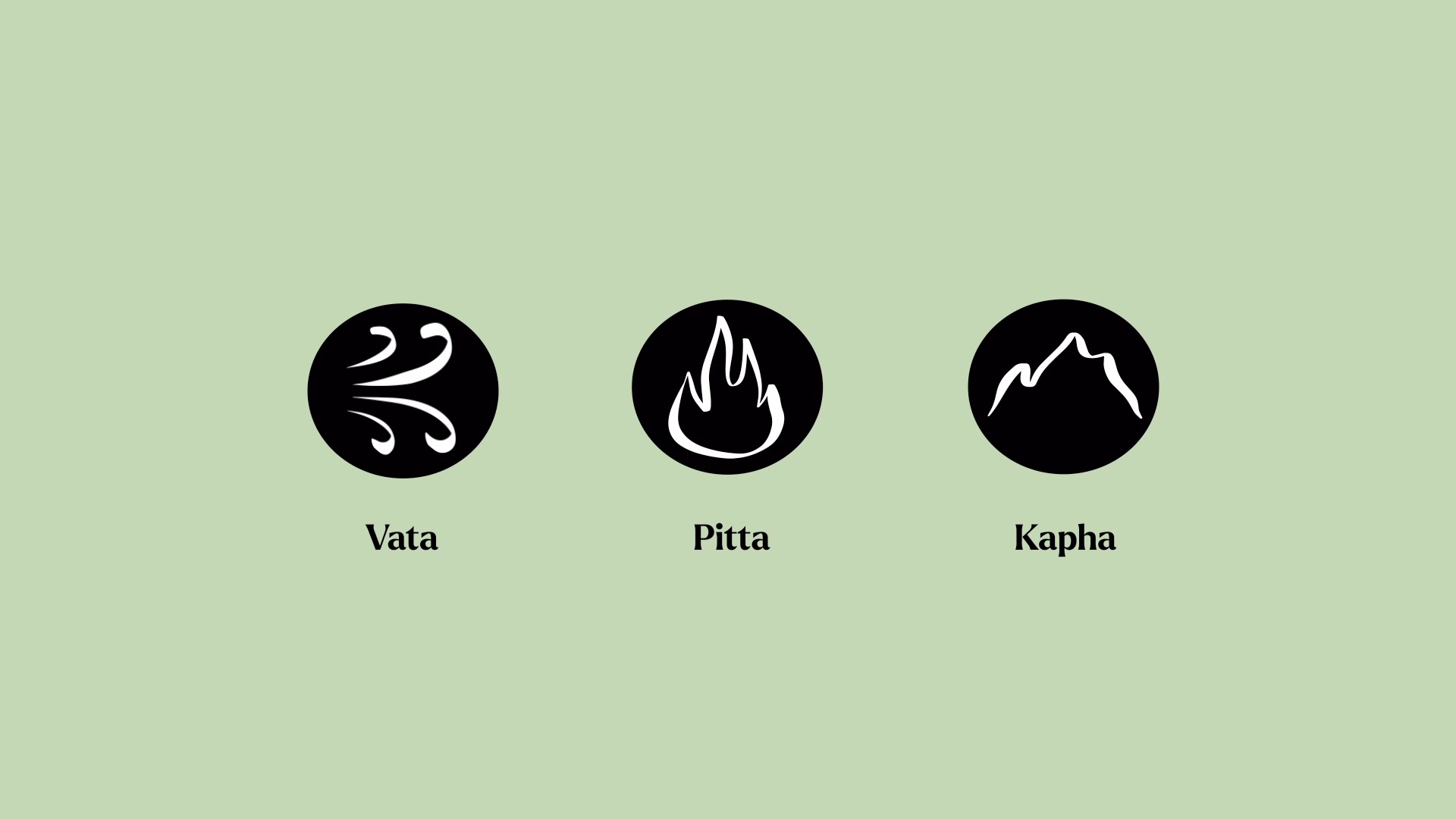
These five states of matter express themselves in the human body as the three doshas: Vata, Pitta and Kapha.

Vata: Ether and Air
Pitta: Fire and Water
Kapha: Water and Earth

The doshas are universal energies that come into contact with the body. They are the functions at play in human physiology. Because the body constantly fluctuates, each dosha fluctuates. Anytime we do something in excess, the doshas become aggravated and the body is subjected to pathology or disease.

Each Dosha Explained

Vata dosha is the harmonious union of ether and air, and it takes on the qualities of these two elements in the body: dry, light, cold, rough, subtle and mobile. Vata is the circulatory energy that governs the body- mind functions of movement, the nervous system, speech, breathing, elimination, sense of touch, creativity and our innate healing intelligence; it also coordinates the movements of Pitta and Kapha.

Pitta dosha is the body’s expression of the fire element protected by a smaller amount of fluidity (water element) and takes on their qualities: slightly oily (think of gasoline), penetrating, hot, light, slightly foul smelling and spreading easily. Pitta is the “cooking energy” that governs transformation (all chemical and metabolic functions), digestion, body warmth, visual and mental perception, appetite and thirst; it powers the intellect, luster, complexion and courage.

Kapha dosha is the combination of the elements water and earth. When you mix them together, they turn into mud, and the Kapha qualities are very similar to those of mud: oily, cool, heavy, slow moving, moist and stable. Kapha is the cohesive “glue energy” that provides structure, support and static stability and makes up the bulk of bodily tissues. It maintains the functions of growth and provides nourishment and lubrication to the organs, tissues, joints and mucus membranes; it gives physical endurance and strength to the heart, lungs, brain and other organs.

Vata activates when there is a need for something to move.
Pitta activates when there is a need for something to transform.
Kapha activates when there is a need for something to grow, lubricate or be “cushioned” with protection.

Your Unique Constitution

All three doshas are present in everyone, but they express themselves in a unique way in each one of us. The distinctive combination of the doshas at our time of birth defines our constitution or natural disposition (prakriti). Most people have a predominance of one or two doshas, and some people have an equal amount of the three (tridoshic).

The dominant dosha(s) will be reflected in your self-expression: in the way you look, think and operate in life. And that dominant dosha is usually the first one to go out of its optimal state when you’re under stress.

The body is the landscape where the doshas interact to create either vitality or disease. You experience vitality when you are closest to your unique constitution and disease when you are furthest from it, a sign that your doshas are functioning abnormally. 

  • Too much Vata will create unnatural dryness, coldness, circulation and elimination issues, depletion, anxiety, fear, dissatisfaction or insecurity. 
  • The overflow of Pitta will lead to excess heat, burning sensations, inflammation, impatience, impulsiveness or anger.
  • Excess Kapha will increase the feelings of heaviness, sluggishness, accumulation, inertia, lack of confidence or sadness.

Your Doshas In Action

The doshas are bioenergies—we can’t measure them with modern scientific tools. However, we can perceive them, just like we can perceive the mind’s movements. And like all energy, the three doshas constantly fluctuate and “dance”—they are never static. Vata goes high when we’re exercising, Pitta goes high when we’re hungry, Kapha goes high when we’re sleeping. However, in a healthy person, the heightened doshas become alleviated very quickly. In a diseased person, they accumulate, aggravate and then displace themselves—this is when we begin to feel unwell.

It Is important to understand what your constitution, or metabolic type, is because it is your original blueprint for perfect health, and it guides you to proactively and continually maintain a healthy lifestyle. 

It is even more important to know how stress causes your current dosha dysfunction, the cause of your illness or your feeling of being unwell. That dysfunction is what you need to correct to bring yourself back to your perfect health. Like it or not, for as long as you have a body and mind, you’ve got to deal with your doshas!

I love the concept of the doshas because it explains why we’re all different and why we all have different needs. Knowing my constitution helps me align with my unique nature, better understand myself and my tendencies and find my reference point for perfect health. This Ayurvedic concept also enables me to do the same with others, thus allowing me to feel more compassion. It reduces my judgmental habit of comparing myself to others and thinking that others should be like me. Now it is easier for me to discern when someone’s self-expression stems from harmony as a call of love, or from imbalance as a cry for love, and from there, I look for a kind way to connect with that person.

Turning Knowledge Into Power

You can use the concept of the doshas to learn so much about yourself: how your organism operates; identify its strengths and weaknesses; build true vitality for your own unique body; and provide real contentment for your own unique mind. Thus, you will lay a healthy terrain for accelerating your spiritual growth, which is the ultimate purpose of Ayurveda.

Want to know the fastest way to manage your doshas? Choose the right foods.

And in my digital masterclasses, you’ll learn how to do exactly that. Featuring over 8 hours of guided video content along with interactive workbooks, these courses will teach you:

  • How to determine your unique personal doshas
  • How to recognize which doshas are out of balance and why
  • How to choose the right foods to bring yourself back into balance
  • And much, much more!

Click here to learn more about the masterclasses.

Looking for even more guidance? In my newest cookbook, Joy of Balance, I explain the effect that each featured ingredient or recipe has on the doshas. You can also refer to my first cookbook, What to Eat for How You Feel, where I elaborate on how the three doshas express themselves in their balanced or imbalanced states—an invaluable tool if you’re feeling out of balance but you’re not sure which dosha is involved.


Recommended Products
More Articles

In the Kitchen
Are Raw Foods Good For You?

Here at Divya’s, we’re often asked about Ayurveda’s perspective on raw foods. In this article, we talk about the pros and cons of eating raw dishes and snacks, how to enjoy them safely and when to avoid them altogether.

Ayurveda 101
Why Mindful Eating Matters

When was the last time you ate quietly, chewing slowly and truly savoring your food? In this article, Divya covers the importance of mindful eating and why poor eating habits can negatively affect your health.

Living Ayurveda
5 Ayurvedic Tips for Air Travel

Ayurvedic guidelines for staying healthy and balanced before, during and after traveling by plane.

Walnut-Orange Cake in Honey Syrup

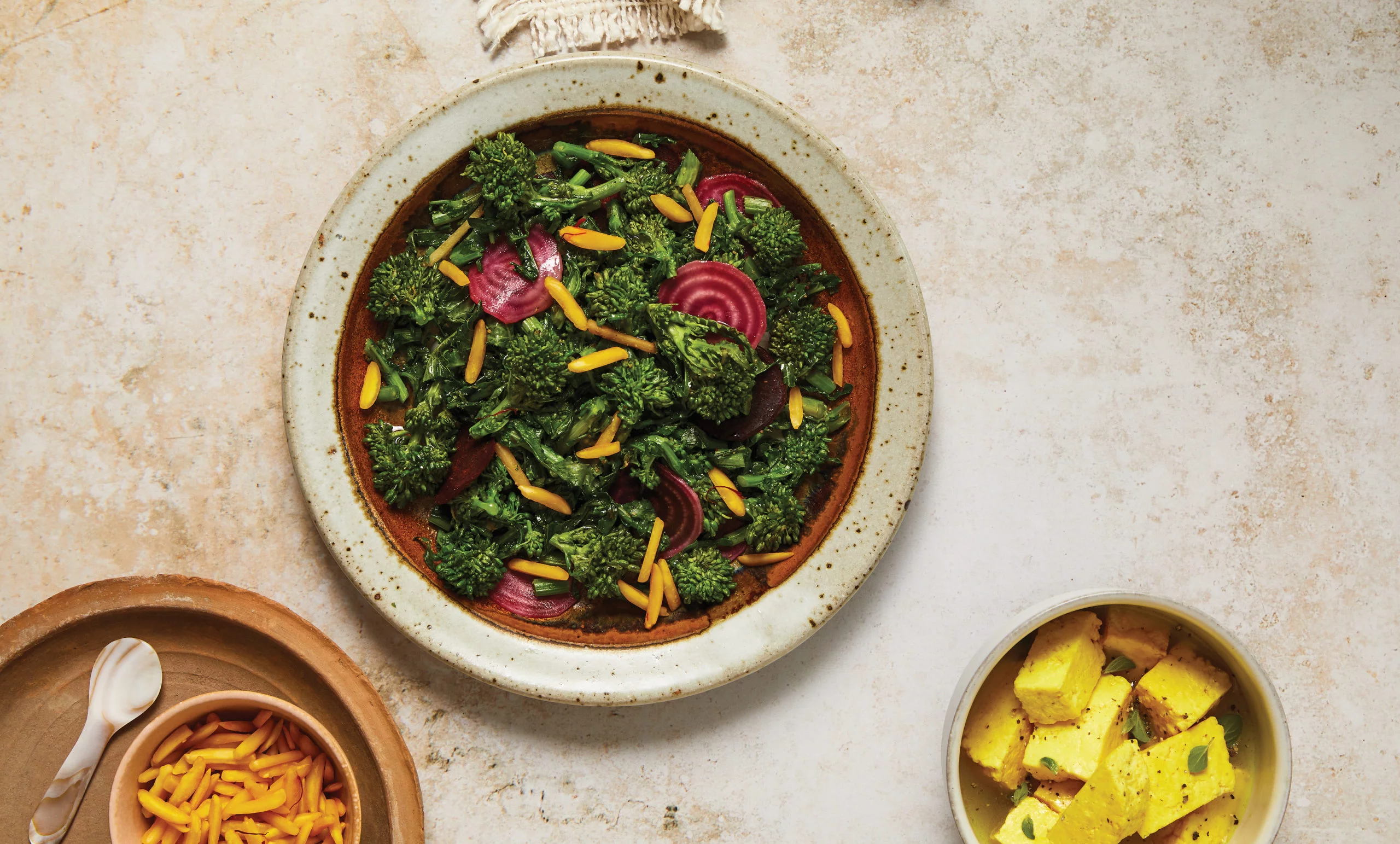
Sauteed Broccoli Rabe and Beets with Saffron Almonds

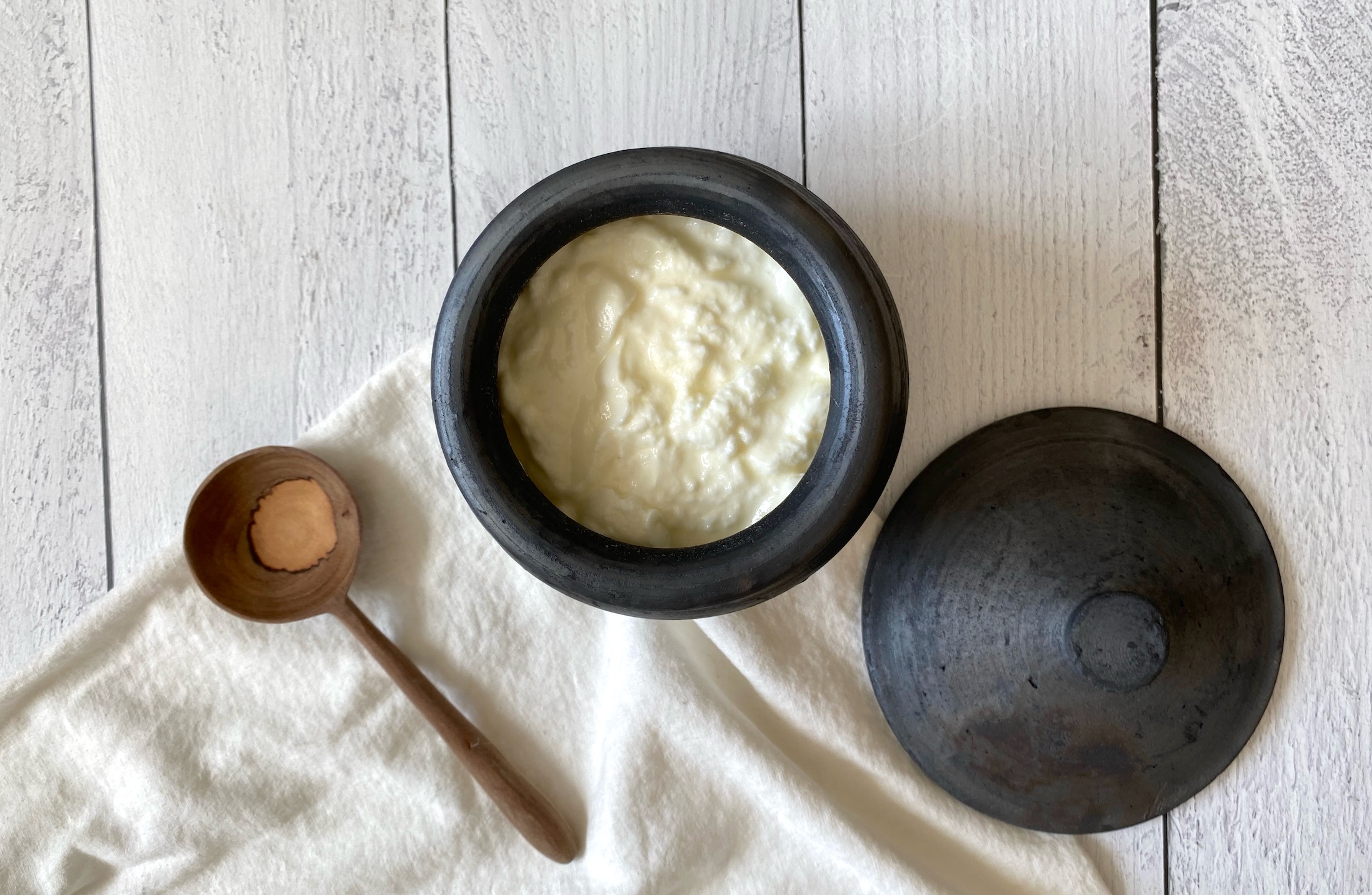
Homemade Yogurt

Superspice Masala

Traveler’s Yogurt Rice

Ingredient Spotlight: Turmeric

The King of Spices

I was 18 years old when I first walked into a yoga ashram and was served a dish cooked with turmeric. I still remember my amusement: “This rice is yellow!” If you’ve eaten Indian food before, you know that the glowing yellow color comes from cooking with the king of spices: turmeric. It is the king, the chief, the champion among spices because its properties can support some of the most important functions of our physiology.

Until the last few decades, most people in Europe or the USA did not keep turmeric on their spice rack. But now, due to a growing number of positive scientific studies, turmeric has become so desirable that it’s available in every grocery store; every health food store now carries turmeric or curcumin capsules; every juice place offers fresh turmeric drinks. Nutritionists and health cooks add raw turmeric to their smoothies, cooking adventurists just play with it until the food tastes good. It is exciting that science is validating turmeric’s benefits, known to Ayurvedic practitioners for thousands of years. 

However, modern research still lacks a complete understanding of how to properly use turmeric. Some people think that if an herb is good for you, then you can mix it with anything, and the more the better. As with any potent spice, improper use of turmeric can lead to negative results.

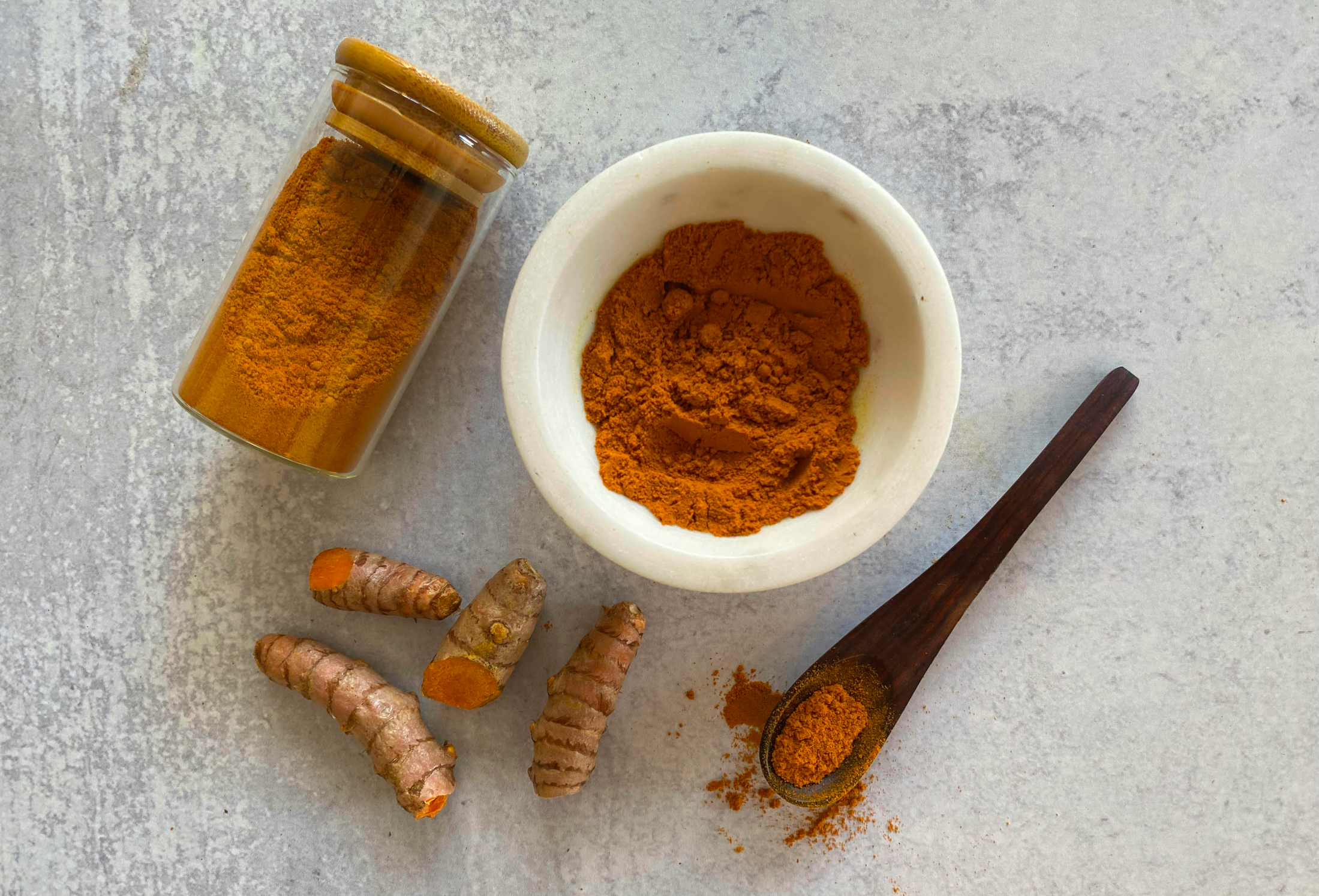
The ancients described turmeric as bitter, slightly pungent, heating and drying. Its prime action on the body is detoxification by activating the liver, our main cleansing organ. Imagine turmeric as the best detergent for the central dishwasher of our organism. When our liver and blood are nice and clean, the rest of the body smiles.

How to Use Turmeric

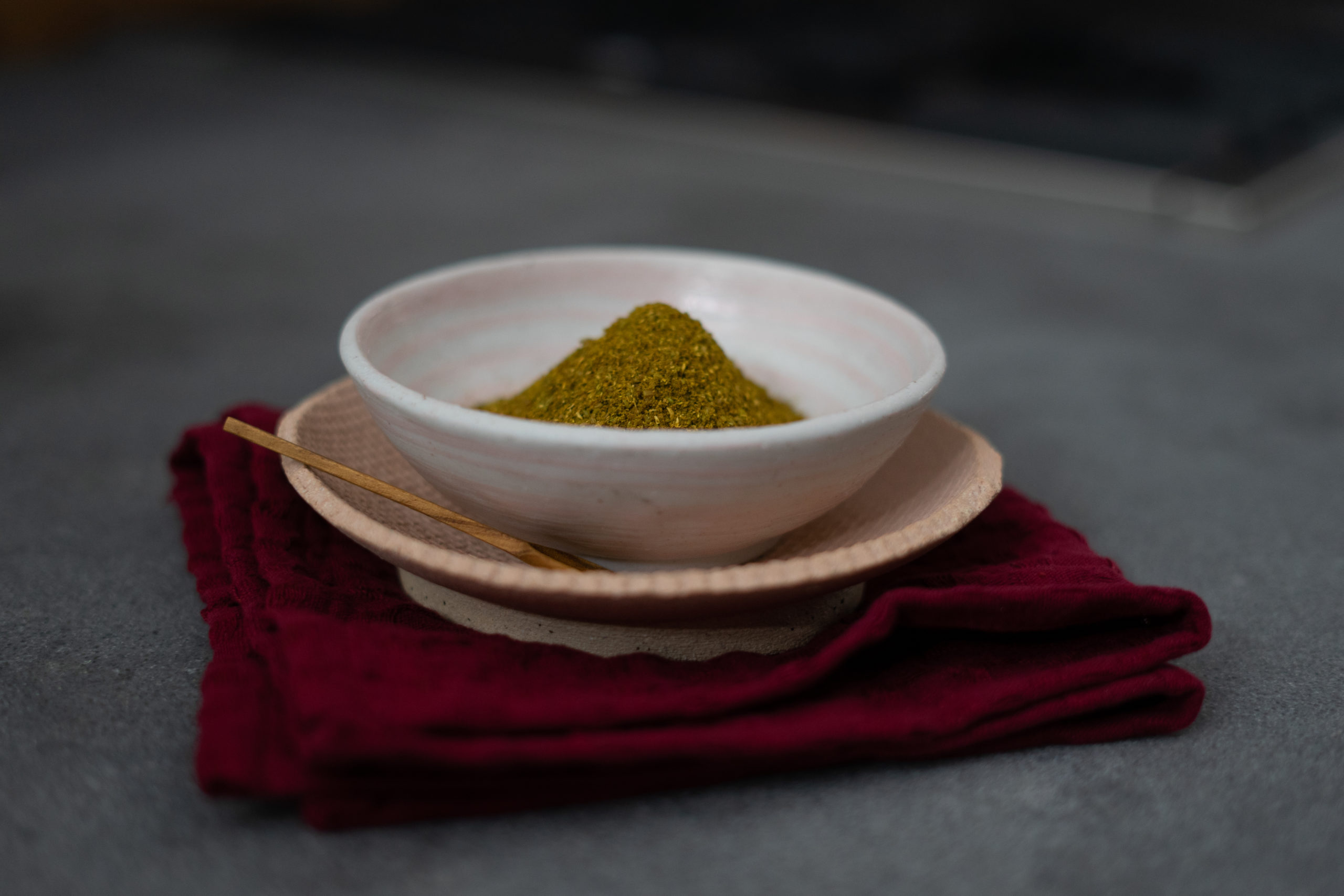
1. Select the best quality if you want to get all the benefits. Real, freshly ground turmeric is of dark yellow-orange color with a strong pungent aroma. There is a lot of fake turmeric sold in the stores. The Food Fraud Database (www.foodfraud.org) lists dozens of shocking scientific reports on replacement ingredients in turmeric powder: starch, Sudan dyes, saw dust, synthetic dyes, clay and more.

Even if the turmeric you buy is pure, it’s hard to know its age and how much it has degraded from light exposure. When possible, choose organic and buy it freshly ground from your local health food store or online stores. We carry an excellent organic turmeric powder.

2. It is best to not take it raw in capsules, smoothies, salads, juices or teas; do not sprinkle it on your salad. Fresh turmeric root contains all of its oils and properties in a crude form; as anything raw, it can be too harsh on the physiology. Vaidya R.K. Mishra writes in his article The Magic of Turmeric Unveiled:

“When the liver starts to leach out toxins with the help of turmeric, and if the detox pathways found all over the body are not ready (they could be blocked, or incapable to handle a sudden toxic load efficiently), then this will affect the rest of the organs. Similarly, if the other organs such as the kidneys, or the urinary tract, or the colon, have not been prepared to handle the release of large toxic loads, then the toxic waste being released by the liver all at once without previous preparation will surely result in a “detox crisis.” It can rupture the circulatory channels while moving here and there, and worst of all, if it does not find its way out of the body safely and effectively, it will get reabsorbed which can result in auto-immune conditions.”

Traditionally in India, turmeric was never eaten raw but only used after having been correctly dried in order to protect the liver from overheating.

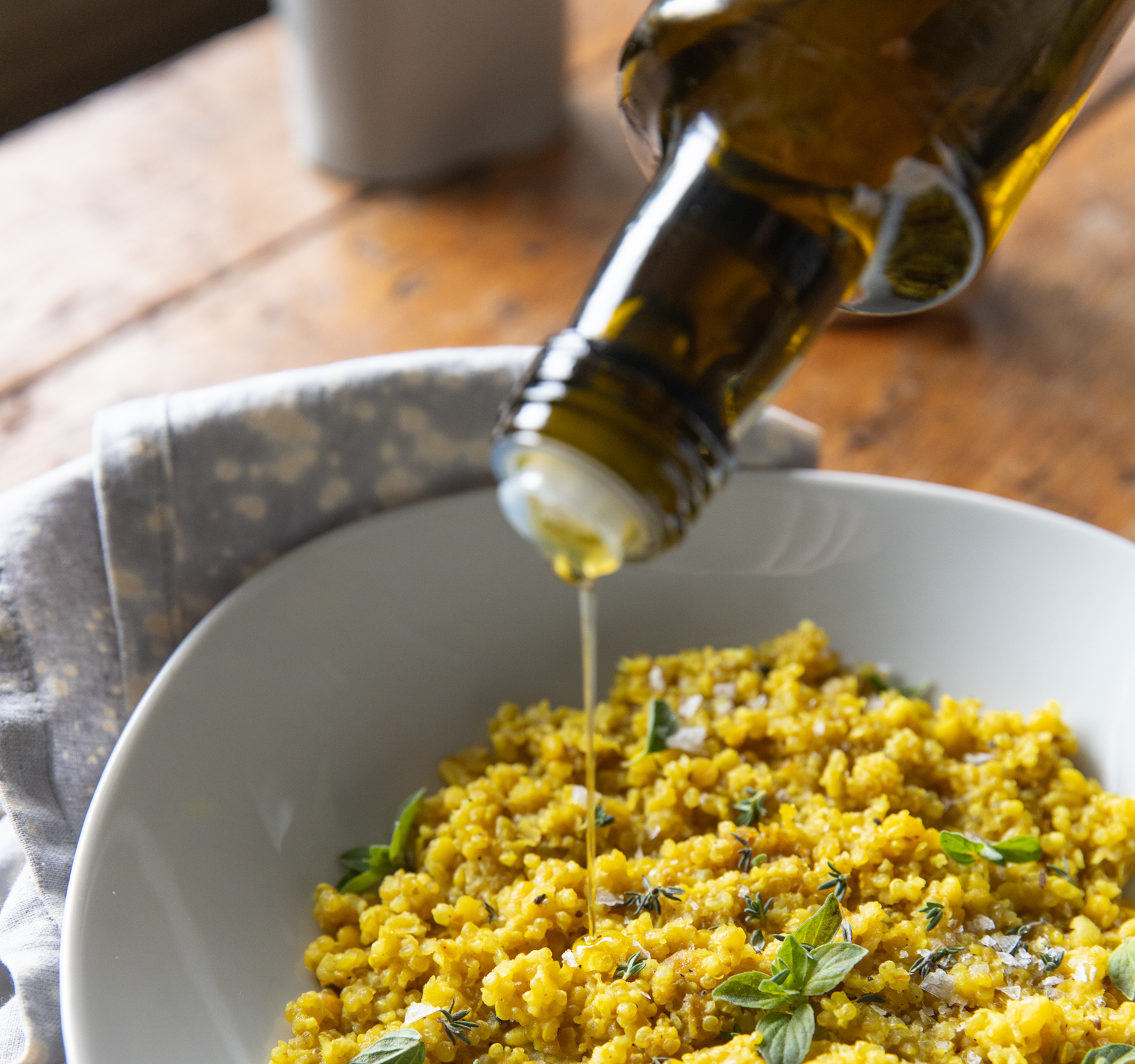
3. Cook with it by adding some water and fat. The water, lipid and protein molecules will bind with the turmeric for a steady delivery to the cellular system, making sure that the liver does not get overwhelmed. Add it at the beginning of cooking vegetables, lentils or grains. You may also combine it with other spices and boil it with cow’s milk, goat milk or almond milk. As mentioned above, turmeric is drying and heating. To counteract the drying effect, we have to mix it with good fat, and to balance the heating effect we have to combine it with cooling spices.

4. Combine it with cooling spices, like coriander, fennel or cumin, to pacify its heating potency. This Superspice Masala recipe is a great way to be introduced to a regular use of turmeric.

5. Use it in moderation: Start with pinches when introducing it in your diet; cut back if you show signs of detox crisis, such as diarrhea or skin rash. For a regular dose, ¼ to ½ teaspoon of turmeric powder per person per meal is enough. It is important for very Fiery individuals to reduce turmeric especially in the summer. When you are too heated or the weather is hot, you may consume turmeric by cooking it in coconut oil (¼ teaspoon turmeric with 1 tablespoon coconut oil). Sauté it on very low heat for 5 seconds, then drizzle on food. A common symptom of turmeric overdose is constipation, diarrhea or skin rash.

6. Black pepper is not necessary: There is a common misconception that turmeric requires black pepper to make it bioavailable. It’s true that black pepper helps but it is NOT necessary to include it every time you use turmeric. Following the guidelines I’ve listed will be enough to ensure proper absorption.

Contraindications

Turmeric is not recommended in these conditions: high fever, chicken pox, smallpox, active hemorrhoids, tuberculosis. If you are on any medication (including blood thinners), or are experiencing serious health problems, you must first check with your medical doctor before using turmeric.

The Healing Benefits of Turmeric

These are just a few of many:

  • Kills bad bacteria
  • Supports the immune system by providing the right environment for good bacteria to thrive
  • Cleanses the blood by detoxifying the liver
  • Fights cancer
  • Enhances complexion
  • Helps with anemia and  ulcers
  • Anti-inflammatory
  • Prevents high cholesterol

How to Cure and Dry Fresh Turmeric Roots

I have learned this traditional SV Ayurveda method from Vaidya R.K. Mishra. If you have some fresh turmeric and the time to dry and grind it, here is a simple home method to process it to abate its heat. Keep in mind its power to stain yellow!

  1. Rinse the fresh roots, place them in a pot, and add enough cold water to cover them. Bring to a boil on high heat and as soon as the water boils, turn off the heat.
  2. Drain the roots and discard the water.
  3. The easiest way to dry your turmeric roots is by using a food dehydrator. Spread them loosely on the drying trays; dehydrate on 145’F for the first 4 hours, then reduce the heat to 125’F for 14-16 hours or until the roots are completely dry. They will be hard like rocks.
  4. Store the dry roots in an airtight container.
  5. When you want to make freshly ground turmeric, place a few roots in a plastic or cloth bag and first smash them with a hammer to break them into smaller pieces. Powder the pieces in a spice (or coffee grinder) or a high-speed blender. Grind only as much as you need for a month.
  6. Keep the turmeric powder in an airtight container, in a dark place, such as a kitchen cabinet. It is best to make a fresh batch every month, but it will not go bad if you keep it longer. It is not necessary to refrigerate it.
Recommended Products
More Articles

Living Ayurveda
Managing Your Sweet Tooth

Ayurveda tells us that there’s room for sugar in a healthy diet, but it’s important to choose wisely. The key: Enjoy sweets in moderation and seek healthier alternatives when possible.

Living Ayurveda
How to Ground Yourself in Difficult Times

In this article, we share simple self-care practices that will keep you steady, healthy and engaged during challenging moments.

In the Kitchen
Are Raw Foods Good For You?

Here at Divya’s, we’re often asked about Ayurveda’s perspective on raw foods. In this article, we talk about the pros and cons of eating raw dishes and snacks, how to enjoy them safely and when to avoid them altogether.

Ayurveda 101
An Ayurvedic Guide to Food Combining

In this article, Divya introduces the essential Ayurvedic principle of food combining. She teaches us that it’s not enough to choose healthy ingredients. True health requires us to select quality ingredients that, when combined in a meal, support strong and balanced digestion.

Is it Safe to Cook with Olive Oil?

The King of Spices

I was 18 years old when I first walked into a yoga ashram and was served a dish cooked with turmeric. I still remember my amusement: “This rice is yellow!” If you’ve eaten Indian food before, you know that the glowing yellow color comes from cooking with the king of spices: turmeric. It is the king, the chief, the champion among spices because its properties can support some of the most important functions of our physiology.

Until the last few decades, most people in Europe or the USA did not keep turmeric on their spice rack. But now, due to a growing number of positive scientific studies, turmeric has become so desirable that it’s available in every grocery store; every health food store now carries turmeric or curcumin capsules; every juice place offers fresh turmeric drinks. Nutritionists and health cooks add raw turmeric to their smoothies, cooking adventurists just play with it until the food tastes good. It is exciting that science is validating turmeric’s benefits, known to Ayurvedic practitioners for thousands of years. 

However, modern research still lacks a complete understanding of how to properly use turmeric. Some people think that if an herb is good for you, then you can mix it with anything, and the more the better. As with any potent spice, improper use of turmeric can lead to negative results.

The ancients described turmeric as bitter, slightly pungent, heating and drying. Its prime action on the body is detoxification by activating the liver, our main cleansing organ. Imagine turmeric as the best detergent for the central dishwasher of our organism. When our liver and blood are nice and clean, the rest of the body smiles.

How to Use Turmeric

1. Select the best quality if you want to get all the benefits. Real, freshly ground turmeric is of dark yellow-orange color with a strong pungent aroma. There is a lot of fake turmeric sold in the stores. The Food Fraud Database (www.foodfraud.org) lists dozens of shocking scientific reports on replacement ingredients in turmeric powder: starch, Sudan dyes, saw dust, synthetic dyes, clay and more.

Even if the turmeric you buy is pure, it’s hard to know its age and how much it has degraded from light exposure. When possible, choose organic and buy it freshly ground from your local health food store or online stores. We carry an excellent organic turmeric powder.

2. It is best to not take it raw in capsules, smoothies, salads, juices or teas; do not sprinkle it on your salad. Fresh turmeric root contains all of its oils and properties in a crude form; as anything raw, it can be too harsh on the physiology. Vaidya R.K. Mishra writes in his article The Magic of Turmeric Unveiled:

“When the liver starts to leach out toxins with the help of turmeric, and if the detox pathways found all over the body are not ready (they could be blocked, or incapable to handle a sudden toxic load efficiently), then this will affect the rest of the organs. Similarly, if the other organs such as the kidneys, or the urinary tract, or the colon, have not been prepared to handle the release of large toxic loads, then the toxic waste being released by the liver all at once without previous preparation will surely result in a “detox crisis.” It can rupture the circulatory channels while moving here and there, and worst of all, if it does not find its way out of the body safely and effectively, it will get reabsorbed which can result in auto-immune conditions.”

Traditionally in India, turmeric was never eaten raw but only used after having been correctly dried in order to protect the liver from overheating.

3. Cook with it by adding some water and fat. The water, lipid and protein molecules will bind with the turmeric for a steady delivery to the cellular system, making sure that the liver does not get overwhelmed. Add it at the beginning of cooking vegetables, lentils or grains. You may also combine it with other spices and boil it with cow’s milk, goat milk or almond milk. As mentioned above, turmeric is drying and heating. To counteract the drying effect, we have to mix it with good fat, and to balance the heating effect we have to combine it with cooling spices.

4. Combine it with cooling spices, like coriander, fennel or cumin, to pacify its heating potency. This Superspice Masala recipe is a great way to be introduced to a regular use of turmeric.

5. Use it in moderation: Start with pinches when introducing it in your diet; cut back if you show signs of detox crisis, such as diarrhea or skin rash. For a regular dose, ¼ to ½ teaspoon of turmeric powder per person per meal is enough. It is important for very Fiery individuals to reduce turmeric especially in the summer. When you are too heated or the weather is hot, you may consume turmeric by cooking it in coconut oil (¼ teaspoon turmeric with 1 tablespoon coconut oil). Sauté it on very low heat for 5 seconds, then drizzle on food. A common symptom of turmeric overdose is constipation, diarrhea or skin rash.

6. Black pepper is not necessary: There is a common misconception that turmeric requires black pepper to make it bioavailable. It’s true that black pepper helps but it is NOT necessary to include it every time you use turmeric. Following the guidelines I’ve listed will be enough to ensure proper absorption.

Contraindications

Turmeric is not recommended in these conditions: high fever, chicken pox, smallpox, active hemorrhoids, tuberculosis. If you are on any medication (including blood thinners), or are experiencing serious health problems, you must first check with your medical doctor before using turmeric.

More Articles

Living Ayurveda
How to Ground Yourself in Difficult Times

In this article, we share simple self-care practices that will keep you steady, healthy and engaged during challenging moments.

Living Ayurveda
Managing Your Sweet Tooth

Ayurveda tells us that there’s room for sugar in a healthy diet, but it’s important to choose wisely. The key: Enjoy sweets in moderation and seek healthier alternatives when possible.

News
5 Fun Facts about Divya

You know Divya as a chef, author, and teacher. But do you know what makes her tick? Today, we present some fun, lesser known facts about our founder.

Ayurveda 101
An Ayurvedic Guide to Food Combining

In this article, Divya introduces the essential Ayurvedic principle of food combining. She teaches us that it’s not enough to choose healthy ingredients. True health requires us to select quality ingredients that, when combined in a meal, support strong and balanced digestion.

An Ayurvedic Guide to Food Combining

The King of Spices

I was 18 years old when I first walked into a yoga ashram and was served a dish cooked with turmeric. I still remember my amusement: “This rice is yellow!” If you’ve eaten Indian food before, you know that the glowing yellow color comes from cooking with the king of spices: turmeric. It is the king, the chief, the champion among spices because its properties can support some of the most important functions of our physiology.

Until the last few decades, most people in Europe or the USA did not keep turmeric on their spice rack. But now, due to a growing number of positive scientific studies, turmeric has become so desirable that it’s available in every grocery store; every health food store now carries turmeric or curcumin capsules; every juice place offers fresh turmeric drinks. Nutritionists and health cooks add raw turmeric to their smoothies, cooking adventurists just play with it until the food tastes good. It is exciting that science is validating turmeric’s benefits, known to Ayurvedic practitioners for thousands of years. 

However, modern research still lacks a complete understanding of how to properly use turmeric. Some people think that if an herb is good for you, then you can mix it with anything, and the more the better. As with any potent spice, improper use of turmeric can lead to negative results.

The ancients described turmeric as bitter, slightly pungent, heating and drying. Its prime action on the body is detoxification by activating the liver, our main cleansing organ. Imagine turmeric as the best detergent for the central dishwasher of our organism. When our liver and blood are nice and clean, the rest of the body smiles.

How to Use Turmeric

1. Select the best quality if you want to get all the benefits. Real, freshly ground turmeric is of dark yellow-orange color with a strong pungent aroma. There is a lot of fake turmeric sold in the stores. The Food Fraud Database (www.foodfraud.org) lists dozens of shocking scientific reports on replacement ingredients in turmeric powder: starch, Sudan dyes, saw dust, synthetic dyes, clay and more.

Even if the turmeric you buy is pure, it’s hard to know its age and how much it has degraded from light exposure. When possible, choose organic and buy it freshly ground from your local health food store or online stores. We carry an excellent organic turmeric powder.

2. It is best to not take it raw in capsules, smoothies, salads, juices or teas; do not sprinkle it on your salad. Fresh turmeric root contains all of its oils and properties in a crude form; as anything raw, it can be too harsh on the physiology. Vaidya R.K. Mishra writes in his article The Magic of Turmeric Unveiled:

“When the liver starts to leach out toxins with the help of turmeric, and if the detox pathways found all over the body are not ready (they could be blocked, or incapable to handle a sudden toxic load efficiently), then this will affect the rest of the organs. Similarly, if the other organs such as the kidneys, or the urinary tract, or the colon, have not been prepared to handle the release of large toxic loads, then the toxic waste being released by the liver all at once without previous preparation will surely result in a “detox crisis.” It can rupture the circulatory channels while moving here and there, and worst of all, if it does not find its way out of the body safely and effectively, it will get reabsorbed which can result in auto-immune conditions.”

Traditionally in India, turmeric was never eaten raw but only used after having been correctly dried in order to protect the liver from overheating.

3. Cook with it by adding some water and fat. The water, lipid and protein molecules will bind with the turmeric for a steady delivery to the cellular system, making sure that the liver does not get overwhelmed. Add it at the beginning of cooking vegetables, lentils or grains. You may also combine it with other spices and boil it with cow’s milk, goat milk or almond milk. As mentioned above, turmeric is drying and heating. To counteract the drying effect, we have to mix it with good fat, and to balance the heating effect we have to combine it with cooling spices.

4. Combine it with cooling spices, like coriander, fennel or cumin, to pacify its heating potency. This Superspice Masala recipe is a great way to be introduced to a regular use of turmeric.

5. Use it in moderation: Start with pinches when introducing it in your diet; cut back if you show signs of detox crisis, such as diarrhea or skin rash. For a regular dose, ¼ to ½ teaspoon of turmeric powder per person per meal is enough. It is important for very Fiery individuals to reduce turmeric especially in the summer. When you are too heated or the weather is hot, you may consume turmeric by cooking it in coconut oil (¼ teaspoon turmeric with 1 tablespoon coconut oil). Sauté it on very low heat for 5 seconds, then drizzle on food. A common symptom of turmeric overdose is constipation, diarrhea or skin rash.

6. Black pepper is not necessary: There is a common misconception that turmeric requires black pepper to make it bioavailable. It’s true that black pepper helps but it is NOT necessary to include it every time you use turmeric. Following the guidelines I’ve listed will be enough to ensure proper absorption.

Examples of Good Food Combinations

Ingredient:Compatible with:
GrainsAll vegetables, milk, legumes and yogurt.
LegumesGrains (especially when cooked with digestive spices), non-starchy vegetables (such as broccoli, cabbage, cauliflower, radish, and asparagus) and leafy greens (such as kale, collards, chard, spinach and lettuce).
MilkGrains, sweet dried fruit (such as dates, soaked raisins), ghee and butter, nuts, spices like turmeric, ginger, pepper, cinnamon, cardamom, cloves, saffron and vanilla.
MeatsLight foods such as non-starchy vegetables, leafy greens, and salads.
Raw FruitsBest eaten alone or in combination with other fruits of the same kind and same predominant taste (ex. berries, stone fruits and berries, apples and pears). A more complete list of raw fruit guidelines is provided in What to Eat for How You Feel.

Examples of Bad Food Combinations

The classical Ayurvedic texts give a long list of incompatible foods that could take days to study. Here I’ve provided just a few examples of the most common bad combinations that lead to immediate indigestion.

Combinations that lead to immediate indigestion:

Ingredient:Not compatible with:
MilkSalt, fresh fruit, and foods of predominantly sour taste (such as yogurt, cheese, citrus and tomatoes)
Raw FruitDairy, cooked food, grains, legumes, salads or leafy greens. Pineapple and papaya are the exceptions and can be enjoyed with cooked food at lunch.
CucumberLemon (because their prolonged “fight” in the stomach could lead to slowly accumulating toxins and calcification. Use lime instead)

Contraindications

Turmeric is not recommended in these conditions: high fever, chicken pox, smallpox, active hemorrhoids, tuberculosis. If you are on any medication (including blood thinners), or are experiencing serious health problems, you must first check with your medical doctor before using turmeric.

The Healing Benefits of Turmeric

These are just a few of many:

  • Kills bad bacteria
  • Supports the immune system by providing the right environment for good bacteria to thrive
  • Cleanses the blood by detoxifying the liver
  • Fights cancer
  • Enhances complexion
  • Helps with anemia and  ulcers
  • Anti-inflammatory
  • Prevents high cholesterol
Recommended Products
More Articles

In the Kitchen
Are Raw Foods Good For You?

Here at Divya’s, we’re often asked about Ayurveda’s perspective on raw foods. In this article, we talk about the pros and cons of eating raw dishes and snacks, how to enjoy them safely and when to avoid them altogether.

Ayurveda 101
Why Mindful Eating Matters

When was the last time you ate quietly, chewing slowly and truly savoring your food? In this article, Divya covers the importance of mindful eating and why poor eating habits can negatively affect your health.

Living Ayurveda
5 Ayurvedic Tips for Air Travel

Ayurvedic guidelines for staying healthy and balanced before, during and after traveling by plane.
Why Mindful Eating Matters

The King of Spices

I was 18 years old when I first walked into a yoga ashram and was served a dish cooked with turmeric. I still remember my amusement: “This rice is yellow!” If you’ve eaten Indian food before, you know that the glowing yellow color comes from cooking with the king of spices: turmeric. It is the king, the chief, the champion among spices because its properties can support some of the most important functions of our physiology.

Until the last few decades, most people in Europe or the USA did not keep turmeric on their spice rack. But now, due to a growing number of positive scientific studies, turmeric has become so desirable that it’s available in every grocery store; every health food store now carries turmeric or curcumin capsules; every juice place offers fresh turmeric drinks. Nutritionists and health cooks add raw turmeric to their smoothies, cooking adventurists just play with it until the food tastes good. It is exciting that science is validating turmeric’s benefits, known to Ayurvedic practitioners for thousands of years. 

However, modern research still lacks a complete understanding of how to properly use turmeric. Some people think that if an herb is good for you, then you can mix it with anything, and the more the better. As with any potent spice, improper use of turmeric can lead to negative results.

The ancients described turmeric as bitter, slightly pungent, heating and drying. Its prime action on the body is detoxification by activating the liver, our main cleansing organ. Imagine turmeric as the best detergent for the central dishwasher of our organism. When our liver and blood are nice and clean, the rest of the body smiles.

How to EatWhat Happens if You Don’t
In a settled, harmonious environment free of distractionsEating with noise, too many people, or too much movement around, or while watching TV, reading, or driving interrupts the brain-stomach communication, which disturbs digestion
In a peaceful state of mindEating when you’re angry, upset, sad or stressed out will only feed those negative emotions and cause them to flare up
In a seated positionWhen you stand or walk, your energy concentrates on your feet, to support you, and thus weakens your digestive strength
Only when you are hungryA lack of hunger means your digestive fire is slumbering and won’t break down the food properly, thus potentially leading to fatigue, toxin build up and becoming overweight
At a moderate pace, neither too fast nor too slow, with thoughtful chewingDevouring unchewed or partially chewed food puts extra pressure on the stomach
At an interval of two to four hours after a light meal, four to six hours after a full meal; this lets one meal be digested completely before the next (light snacks such as raw fruit or a few soaked nuts are okay)Binging and eating heavy snacks between meals doesn’t allow your digestive system to get a break and can lead to toxic buildup and obesity
Allow at least two to three hours between your dinner and going to bedGoing to bed right after eating is a recipe for toxicity, weight gain and morning sluggishness
Without drinking a lot of water or ice-cold beverages. Drink water no less than thirty minutes before a meal and sixty to ninety minutes after a meal. It is okay to sip a little warm water or digestive tea with your meal, especially if your food is dryDrinking a large glass of water right before, during, or right after a meal tremendously suppresses your digestive fire
To only two-thirds to three-quarters of your capacity—a first burp is an indication to stopOvereating leaves no room for the food in the stomach to move and break down properly and thus becomes one of the main causes of illness
At regular timesEating at different times every day will negatively affect your body rhythms
With gratitude for the food you receive and praise for the cookEating without respect for the food or for those who prepared it sets up negativity and disconnection from nature and people—yet another cause for feeling unwell
Remaining seated for a few minutes after completing your mealRushing through a meal and jumping up from the table will feed your stressors more than your body

Contraindications

Turmeric is not recommended in these conditions: high fever, chicken pox, smallpox, active hemorrhoids, tuberculosis. If you are on any medication (including blood thinners), or are experiencing serious health problems, you must first check with your medical doctor before using turmeric.

More Articles

Living Ayurveda
5 Ayurvedic Tips for Air Travel

Ayurvedic guidelines for staying healthy and balanced before, during and after traveling by plane.
Living Ayurveda
How to Ground Yourself in Difficult Times

In this article, we share simple self-care practices that will keep you steady, healthy and engaged during challenging moments.

Living Ayurveda
Managing Your Sweet Tooth

Ayurveda tells us that there’s room for sugar in a healthy diet, but it’s important to choose wisely. The key: Enjoy sweets in moderation and seek healthier alternatives when possible.

News
5 Fun Facts about Divya

You know Divya as a chef, author, and teacher. But do you know what makes her tick? Today, we present some fun, lesser known facts about our founder.

Items For A Happy Kitchen
0
Your Cart
Your cart is emptyReturn to Shop
Items For A Happy Kitchen
Calculate Shipping