
0

Are Raw Foods Good For You?

Photo c/o William and Susan Brinson

The Raw Food Hype

Smoothies, salads, fresh juice, grain bowls etc.  Many people are drawn to raw foods and it’s easy to see why. They’re fast and easy to prepare, they’re refreshing in hot weather and—most significantly—the nutrients in the food are fully intact. 

But Ayurveda reminds us that nutrient levels aren’t the whole story when it comes to healthy eating. In order to benefit from our food, we need to be able to digest it easily and completely. In the end, it doesn’t matter how many nutrients are in our meal if we can’t make use of them.

And remember: Food needs to be cooked one way or the other. If it doesn’t happen on the stove, it needs to happen in our stomach.

When we cook food, its chemical composition is altered in a way that supports digestion. This makes it much easier to break down our meal and absorb its nutrients. When we eat raw food, we’re depending on our stomach to do all of the work.

The Modern Dilemma

Unfortunately, due to the modern urban lifestyle and diet, most people suffer from poor digestion and absorption. That means they’re limited in their ability to fully digest raw food and make use of its nutrients. This is especially true when eating raw food during colder times of year. 

If a person’s digestion isn’t strong and balanced, those extra nutrients in raw food (the main argument for eating raw in the first place) aren’t actually being utilized. In addition, the food remains semi-digested (called ama) and accumulates in the body. Eventually, ama can lead to ama-visha, a toxic build-up and the root cause of all kinds of inflammatory diseases. 

And there’s another concern with raw foods: Many of our favorite fruits and vegetables contain naturally occurring hard-to-digest compounds such as oxalates, lectins and goitrogens. These compounds are fully present when the food is raw, but they’re eliminated or minimized through cooking.

However, there are occasions when eating raw food is perfectly ok.

How to Eat Raw Foods

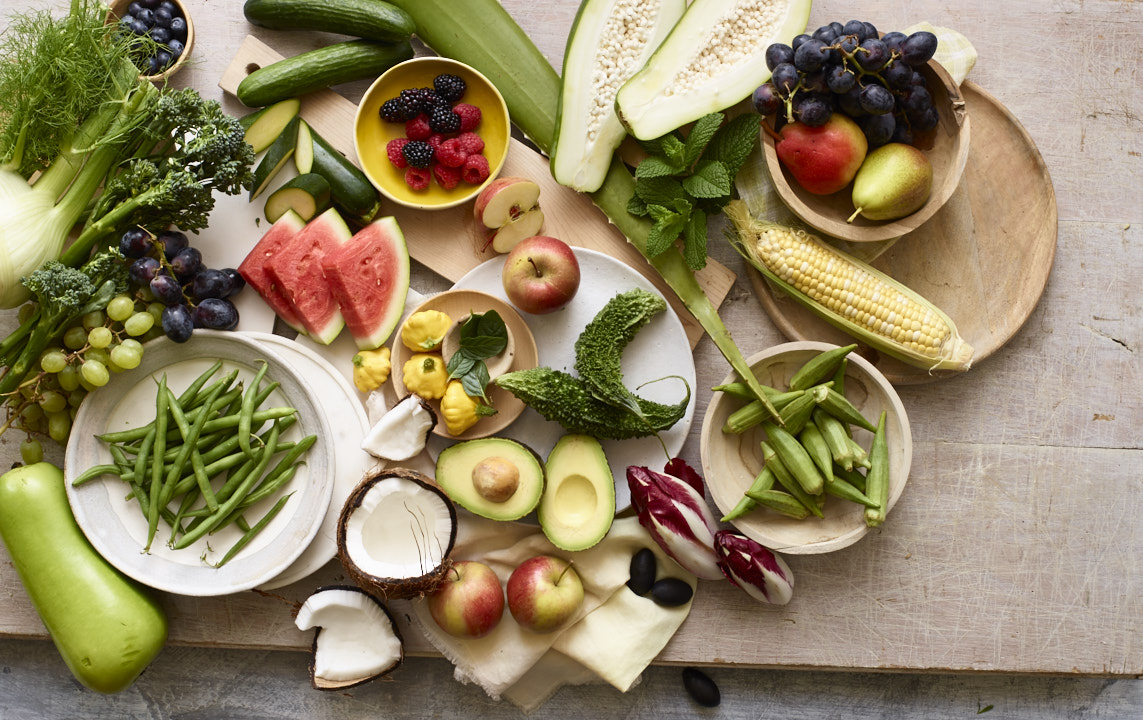
To start, it’s important to choose the right ingredients: Celery, cucumber, lettuce and other tender greens are easily digested and can be eaten raw or juiced. Other vegetables, such as cabbages, broccoli, cauliflower and artichokes are too fibrous and difficult to digest when uncooked. This can lead to bloating and other gut discomforts. 

In summer, when the body has more fiery energy, raw foods are easier to digest and can provide a cooling effect. They should never be eaten during the winter in cool or cold climates.

If someone has had a poor diet for years—including eating processed foods and bad fats—then they will feel great when switching to a raw diet. Their levels of energy and well-being will rise because of the increase in nutrients and life force, as well as the reduction in inflammation. However, once they pass a certain threshold of health and balance, a raw diet can cause chronic Vata imbalance, which will then lead to weakness and the depletion of body tissues. 

So if it’s warm out and your Vata is under control, enjoy a raw dish in your meals, especially if it’s a chutney, a nut pate, a spring salad or raw fruit (eaten according to Ayurvedic food combining principles). No matter what you choose, moderation is the key.

The Takeaway

It’s ok—even beneficial—to eat raw foods in the following circumstances: When you need to cool off, pacify excessive heat in the stomach/body, lighten up after a period of eating heavy foods or take a break from cooking. In each of these cases, it’s still important to choose foods that you can easily digest.

There are other times when you should absolutely avoid eating raw foods: When you’re cold, feeling ungrounded or high strung, traveling, recovering from childbirth, weak and depleted, feeling sluggish or worried about food-borne parasites.

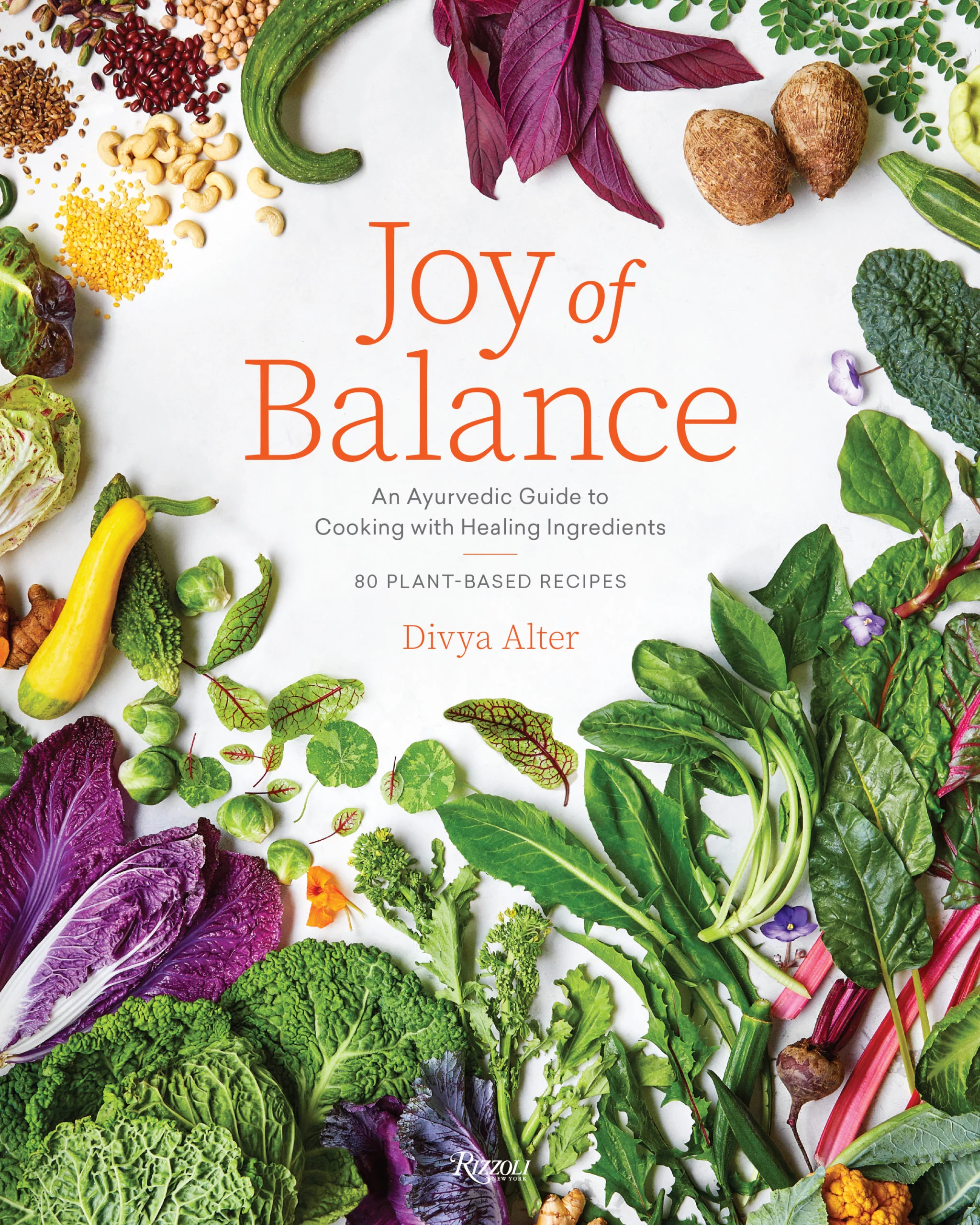
If you’re looking for more advice, including delicious raw and cooked recipes, check out my new book Joy of Balance.

Recommended Products
More Articles
Ayurveda 101
An Ayurvedic Guide to Food Combining

In this article, Divya introduces the essential Ayurvedic principle of food combining. She teaches us that it’s not enough to choose healthy ingredients. True health requires us to select quality ingredients that, when combined in a meal, support strong and balanced digestion.

Living Ayurveda
How to Ground Yourself in Difficult Times

In this article, we share simple self-care practices that will keep you steady, healthy and engaged during challenging moments.
Living Ayurveda
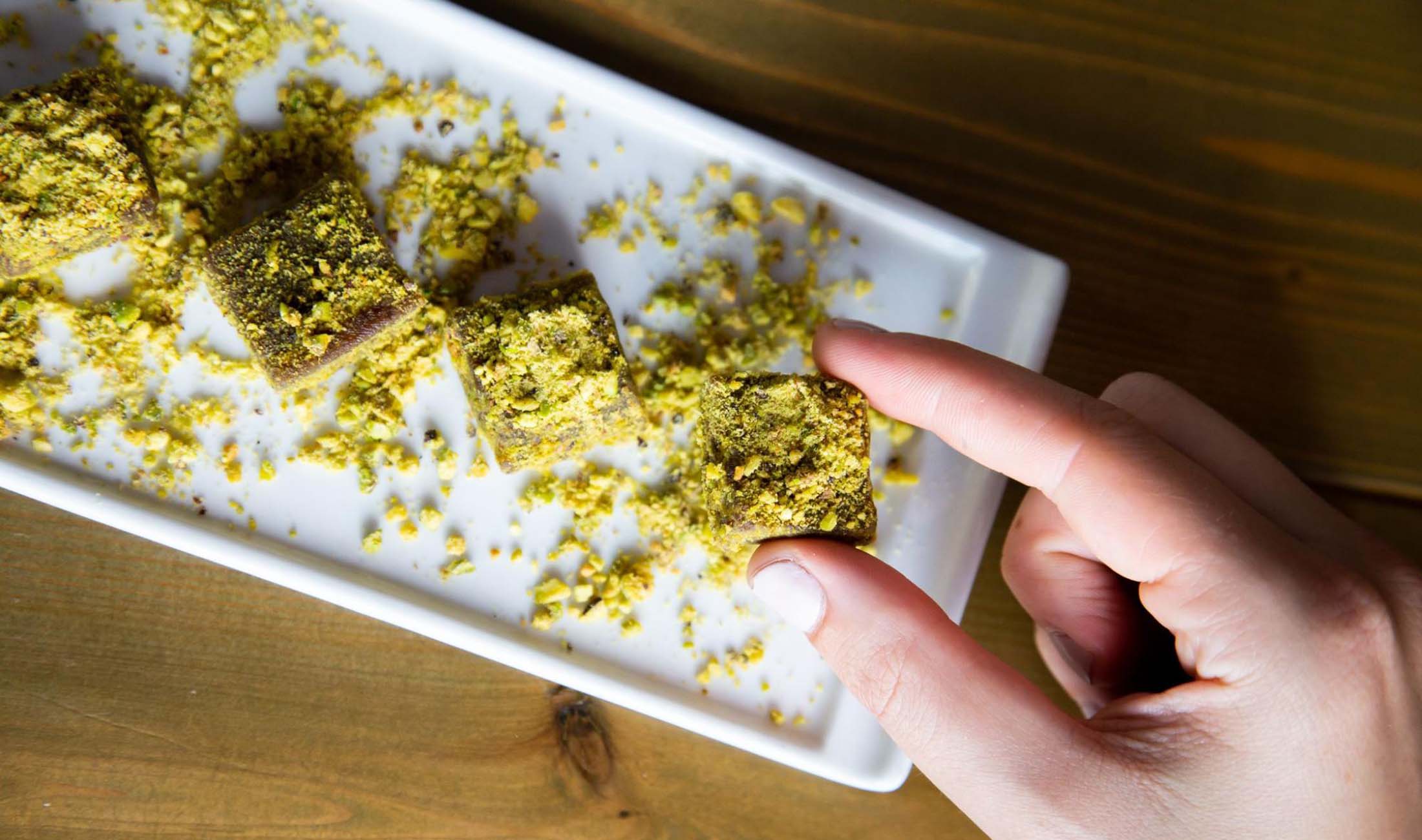
Managing Your Sweet Tooth

Ayurveda tells us that there’s room for sugar in a healthy diet, but it’s important to choose wisely. The key: Enjoy sweets in moderation and seek healthier alternatives when possible.

News
5 Fun Facts about Divya

You know Divya as a chef, author, and teacher. But do you know what makes her tick? Today, we present some fun, lesser known facts about our founder.

Cooked Apple Pre-Breakfast

Spiced Amaranth

An Ayurvedic Guide to Safe Sun Exposure

Photo c/o William and Susan Brinson

The Raw Food Hype

Smoothies, salads, fresh juice, grain bowls etc.  Many people are drawn to raw foods and it’s easy to see why. They’re fast and easy to prepare, they’re refreshing in hot weather and—most significantly—the nutrients in the food are fully intact. 

But Ayurveda reminds us that nutrient levels aren’t the whole story when it comes to healthy eating. In order to benefit from our food, we need to be able to digest it easily and completely. In the end, it doesn’t matter how many nutrients are in our meal if we can’t make use of them.

And remember: Food needs to be cooked one way or the other. If it doesn’t happen on the stove, it needs to happen in our stomach.

When we cook food, its chemical composition is altered in a way that supports digestion. This makes it much easier to break down our meal and absorb its nutrients. When we eat raw food, we’re depending on our stomach to do all of the work.

The Modern Dilemma

Unfortunately, due to the modern urban lifestyle and diet, most people suffer from poor digestion and absorption. That means they’re limited in their ability to fully digest raw food and make use of its nutrients. This is especially true when eating raw food during colder times of year. 

If a person’s digestion isn’t strong and balanced, those extra nutrients in raw food (the main argument for eating raw in the first place) aren’t actually being utilized. In addition, the food remains semi-digested (called ama) and accumulates in the body. Eventually, ama can lead to ama-visha, a toxic build-up and the root cause of all kinds of inflammatory diseases. 

And there’s another concern with raw foods: Many of our favorite fruits and vegetables contain naturally occurring hard-to-digest compounds such as oxalates, lectins and goitrogens. These compounds are fully present when the food is raw, but they’re eliminated or minimized through cooking.

However, there are occasions when eating raw food is perfectly ok.

How to Eat Raw Foods

To start, it’s important to choose the right ingredients: Celery, cucumber, lettuce and other tender greens are easily digested and can be eaten raw or juiced. Other vegetables, such as cabbages, broccoli, cauliflower and artichokes are too fibrous and difficult to digest when uncooked. This can lead to bloating and other gut discomforts. 

In summer, when the body has more fiery energy, raw foods are easier to digest and can provide a cooling effect. They should never be eaten during the winter in cool or cold climates.

If someone has had a poor diet for years—including eating processed foods and bad fats—then they will feel great when switching to a raw diet. Their levels of energy and well-being will rise because of the increase in nutrients and life force, as well as the reduction in inflammation. However, once they pass a certain threshold of health and balance, a raw diet can cause chronic Vata imbalance, which will then lead to weakness and the depletion of body tissues. 

So if it’s warm out and your Vata is under control, enjoy a raw dish in your meals, especially if it’s a chutney, a nut pate, a spring salad or raw fruit (eaten according to Ayurvedic food combining principles). No matter what you choose, moderation is the key.

The Takeaway

It’s ok—even beneficial—to eat raw foods in the following circumstances: When you need to cool off, pacify excessive heat in the stomach/body, lighten up after a period of eating heavy foods or take a break from cooking. In each of these cases, it’s still important to choose foods that you can easily digest.

There are other times when you should absolutely avoid eating raw foods: When you’re cold, feeling ungrounded or high strung, traveling, recovering from childbirth, weak and depleted, feeling sluggish or worried about food-borne parasites.

If you’re looking for more advice, including delicious raw and cooked recipes, check out my new book Joy of Balance.

Recommended Products

Irresistible Buckwheat Cake

Hydrating Drink aka “Ayurvedic Gatorade”

Turmeric Face Mask

Managing Your Sweet Tooth

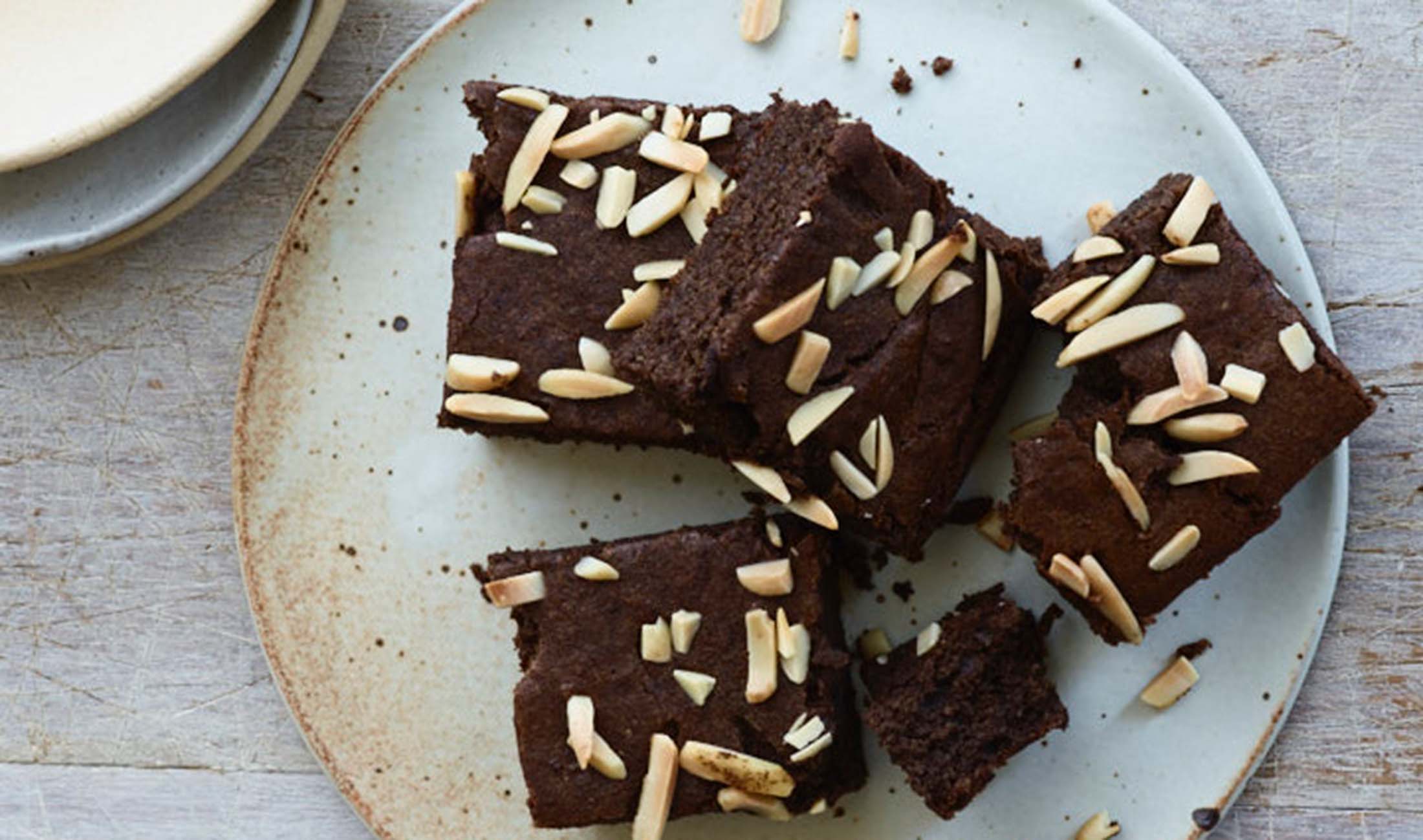
Photo c/o Briana Balducci from Divya’s Kitchen

We all crave sweets from time to time. The question is: what do you do when the urge strikes? Do you indulge? Begrudgingly abstain? Or do you enjoy them fully, but in moderation? 

Most importantly: How do you feel after each of the above scenarios? Noticing how you feel after eating sweets (or any other kind of food) is essential for maintaining good health. It allows you to understand your ever-shifting needs and to make the right decisions about what to eat.

Most of the time, we turn to sweets when we’re tired, unmotivated or emotionally drained.  Unfortunately, these foods are limited in how much they help and overindulgence can lead to further imbalances.

5 simple tips

As an alternative, here are some simple tips for transforming sugar cravings (as well as the root feelings of fatigue and emotional heaviness):

  1. Incorporate foods of predominantly pungent, astringent, and bitter tastes. For example, you could use more spices, sunchokes, and dark leafy greens.
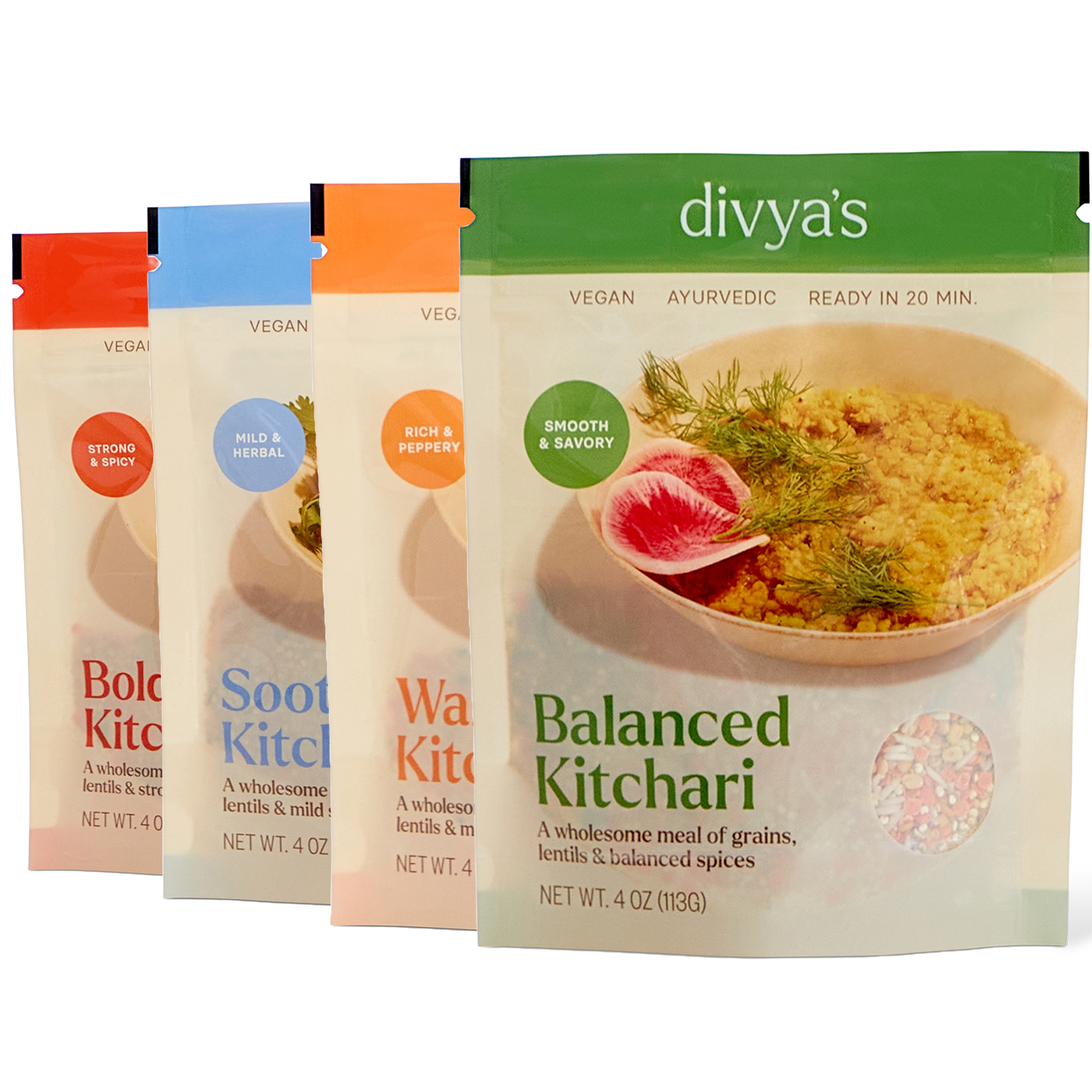
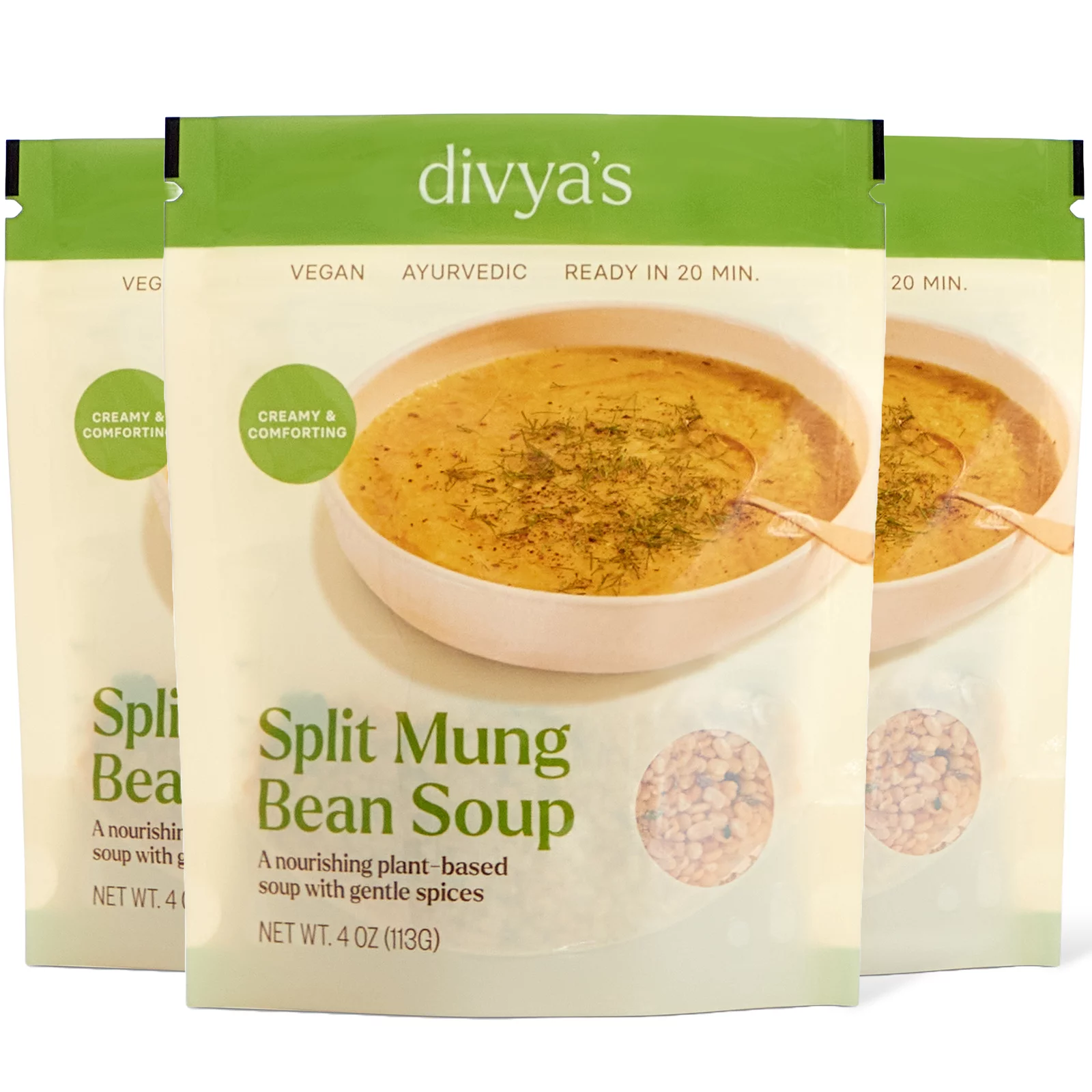
  2. Eat wholesome, nutritious meals like our kitcharis and soups with a moderate amount of ghee or olive oil (You can also find more seasonal recipes in Divya’s cookbook What to Eat for How You Feel).
  3. When you’re craving something sweet, ask yourself: Am I really deficient in sugar, or am I craving nourishing food? Am I actually seeking feelings of love, satisfaction, and pleasure that sweet foods seem to provide?
  4. If you can’t avoid giving in to your sugary pleasures, enjoy a small amount mindfully. Try to eat it slowly without distracting yourself. Feel the pleasure the sweetness creates and then tell yourself, “I’ve had enough. Thank you.” 
  5. When choosing sweets, aim for high quality and unprocessed options. For example, you can satisfy your craving by slowly licking a small teaspoon of raw honey. With its astringent-sweet taste, it’s an excellent choice when you feel heavy and sluggish. As a bonus, honey is low-glycemic and can help you lose weight!

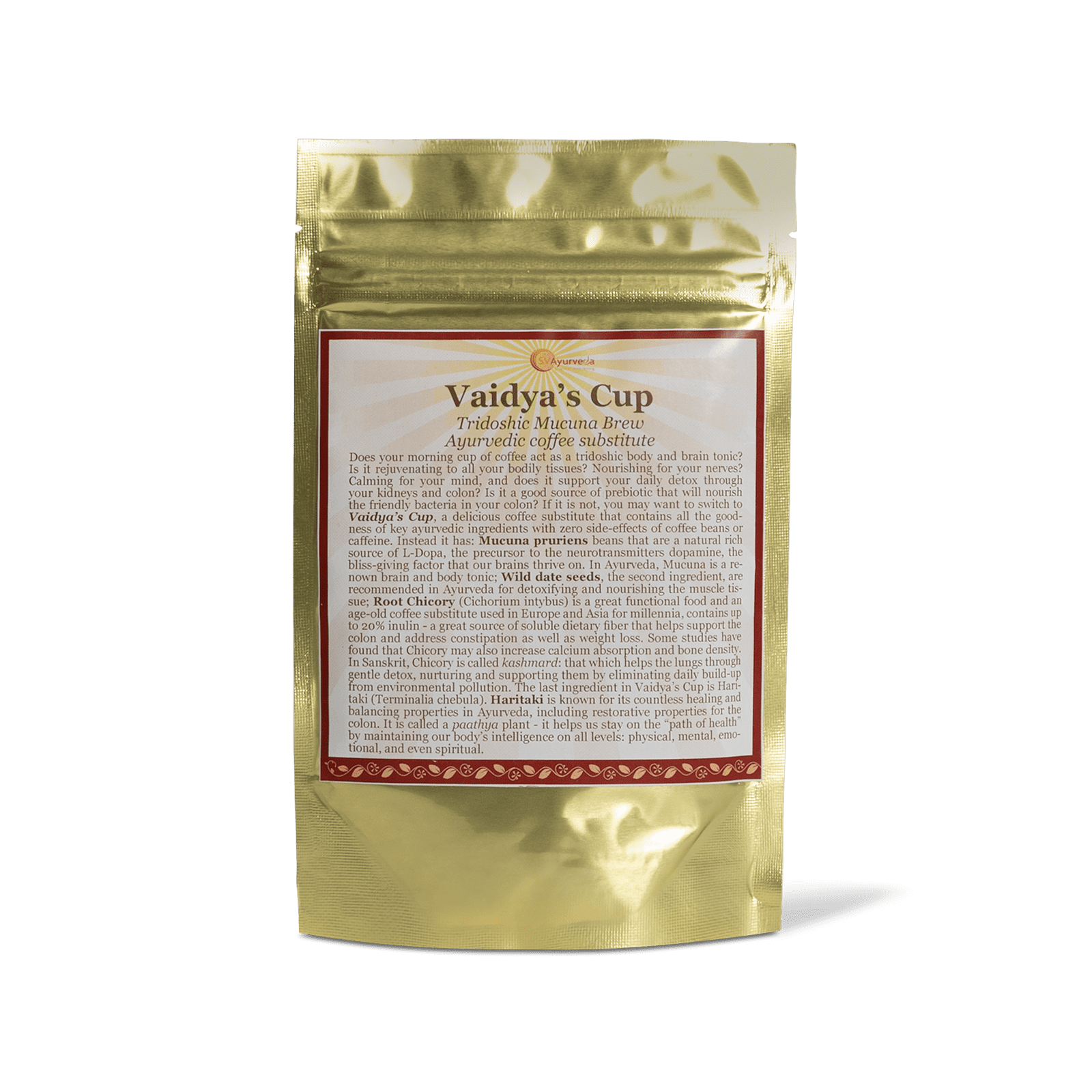
Finally, you can find some excellent teas here at divyas.com that help balance blood sugar after eating sweets and reduce sugar cravings: Gymnema Brew, Vaidya’s Cup, Tripti Tea. Drink any of these after a meal and you will feel energized!

Recommended Products
Items For A Happy Kitchen
0
Your Cart
Your cart is emptyReturn to Shop
Items For A Happy Kitchen
Calculate Shipping