
0

An Ayurvedic Guide to Food Combining

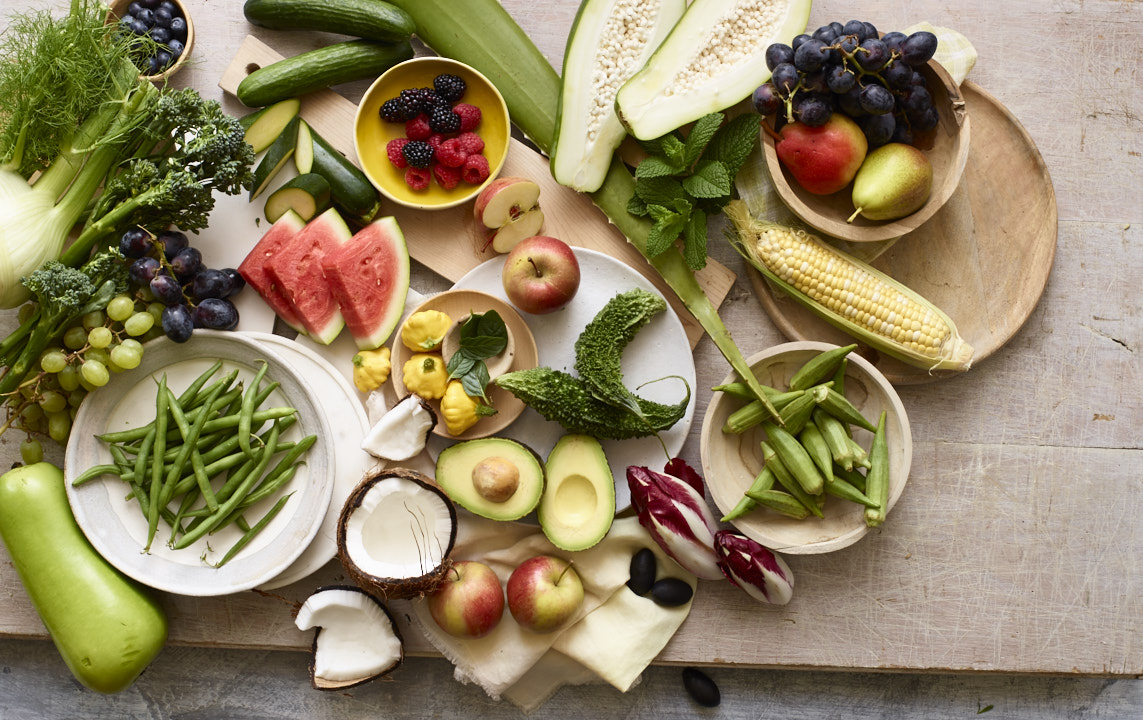
Photo c/o William and Susan Brinson

Why Food Combining Matters

(Adapted from Divya’s book What to Eat for How You Feel)

Imagine putting these people in a room together: an ambitious high achiever, a laid-back pacifist, a quiet daydreamer, a determined activist, and an unflinching pessimist. They may all be great people, but we can’t assemble them and expect a quiet conversation.

It’s the same with food. Every food is good for something, but sometimes eating two good foods together may result in them fighting in your stomach. To enjoy a healthy relationship with food, you have to learn how to mix and match properly. 

Great chefs teach us how to match ingredients to layer friendly flavors and create stunning presentations, but if your goal is to make delicious food that you can digest without any problem, there are a few more key points to consider.

Following proper food combinations is especially important for the sick and weak and for those with chronic gut disorders. Mild digestive problems often result from eating conflicting foods, and so I’ve included a few example guidelines to help you improve your approach to food selection. 

(If you’re interested in learning more about this topic, I cover it in greater detail in both of my cookbooks)

Examples of General Guidelines

Geographical location: It is important to eat foods appropriate for the climate and altitude you live in. Certain recipes may be good to prepare in some parts of the world but not in others. Countries and cultures include specific foods to support the population in that particular environment, and people from other cultures and climates may not be able to handle the same diet. For example, it would be incompatible to eat traditional South Indian (or any tropical) cuisine during winter in New York City. 

Season: It is contradictory to eat dry and cold foods in the winter and sharp and heating foods in the summer. Consult the recipe chapters in What to Eat for How You Feel for help choosing seasonal foods.

Method of preparation: Undercooked, overcooked, or in some cases food cooked without spices has a negative effect on digestion; microwaving kills the life in the food; heating honey above 112oF makes it act as slow poison. These are just some examples.

Palatability: There is no need to force yourself into eating supposedly healthy food while telling yourself “I hate this” with every bite—this alone will cause indigestion. It is much better to enjoy foods that evoke happiness and gratitude.

Examples of Good Food Combinations

Ingredient:Compatible with:
GrainsAll vegetables, milk, legumes and yogurt.
LegumesGrains (especially when cooked with digestive spices), non-starchy vegetables (such as broccoli, cabbage, cauliflower, radish, and asparagus) and leafy greens (such as kale, collards, chard, spinach and lettuce).
MilkGrains, sweet dried fruit (such as dates, soaked raisins), ghee and butter, nuts, spices like turmeric, ginger, pepper, cinnamon, cardamom, cloves, saffron and vanilla.
MeatsLight foods such as non-starchy vegetables, leafy greens, and salads.
Raw FruitsBest eaten alone or in combination with other fruits of the same kind and same predominant taste (ex. berries, stone fruits and berries, apples and pears). A more complete list of raw fruit guidelines is provided in What to Eat for How You Feel.

Examples of Bad Food Combinations

The classical Ayurvedic texts give a long list of incompatible foods that could take days to study. Here I’ve provided just a few examples of the most common bad combinations that lead to immediate indigestion.

Combinations that lead to immediate indigestion:

Ingredient:Not compatible with:
MilkSalt, fresh fruit, and foods of predominantly sour taste (such as yogurt, cheese, citrus and tomatoes)
Raw FruitDairy, cooked food, grains, legumes, salads or leafy greens. Pineapple and papaya are the exceptions and can be enjoyed with cooked food at lunch.
CucumberLemon (because their prolonged “fight” in the stomach could lead to slowly accumulating toxins and calcification. Use lime instead)

Resolving Culinary Cultural Confusion

There are many traditional recipes in different cultures of the world that call for mutually contradictory foods. If cheese and beans are a bad match, what do you make of Mexican cuisine? One way to resolve cultural culinary confusion is through the concept of homeostasis: our bodies are coded to do their best to maintain internal stability in order to survive, evolve, and thrive. They carry an intelligence that allows them to adjust and adapt in the face of challenging situations. If you repeatedly consume contradictory foods that do not cause an immediate reaction, your body will find ways to accept such a diet. However, it does come at a price. You may not experience discomfort right away but, in due course, depending on your body’s weak points, eating mutually contradictory foods may result in deep imbalance. People in every culture mix incompatible foods, but we also see prominent diseases in every culture.

You can reduce the negative effects of bad food combinations with the help of spices. Spices enhance metabolism and act as connecting links between ingredients. Even in small doses, spices help reawaken our digestive intelligence.

Going Deeper

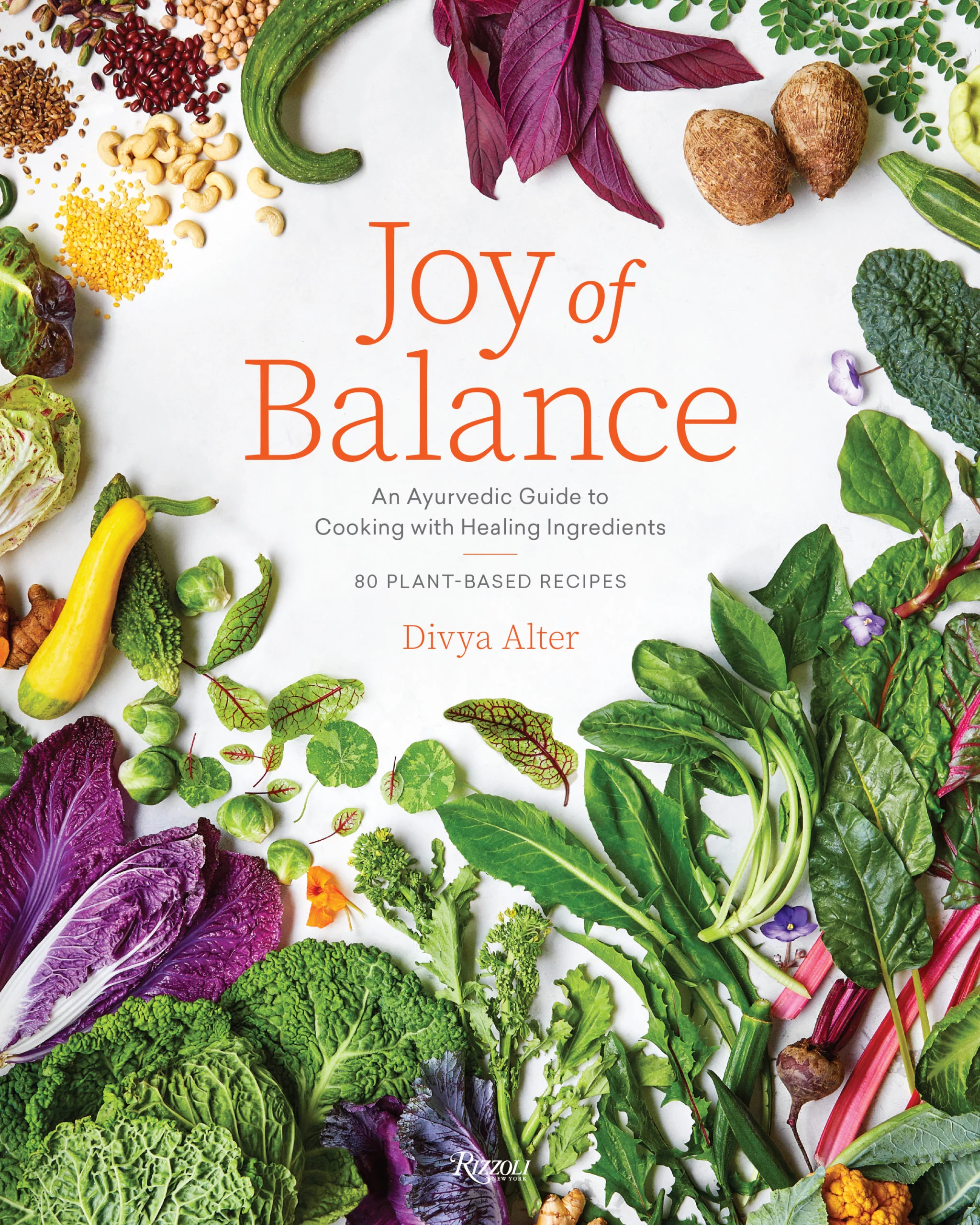
The general guidelines and combinations that I’ve listed here are just a small sample of Ayurveda’s wisdom when it comes to improving digestion through proper food combinations. If you’re interested in learning more about these topics, as well as how to choose foods that support your individual body type, check out my new cookbook Joy of Balance.

Recommended Products
More Articles

In the Kitchen
Are Raw Foods Good For You?

Here at Divya’s, we’re often asked about Ayurveda’s perspective on raw foods. In this article, we talk about the pros and cons of eating raw dishes and snacks, how to enjoy them safely and when to avoid them altogether.

Ayurveda 101
Why Mindful Eating Matters

When was the last time you ate quietly, chewing slowly and truly savoring your food? In this article, Divya covers the importance of mindful eating and why poor eating habits can negatively affect your health.

Living Ayurveda
5 Ayurvedic Tips for Air Travel

Ayurvedic guidelines for staying healthy and balanced before, during and after traveling by plane.

Why Mindful Eating Matters

Photo c/o William and Susan Brinson

Why Food Combining Matters

(Adapted from Divya’s book What to Eat for How You Feel)

Imagine putting these people in a room together: an ambitious high achiever, a laid-back pacifist, a quiet daydreamer, a determined activist, and an unflinching pessimist. They may all be great people, but we can’t assemble them and expect a quiet conversation.

It’s the same with food. Every food is good for something, but sometimes eating two good foods together may result in them fighting in your stomach. To enjoy a healthy relationship with food, you have to learn how to mix and match properly. 

Great chefs teach us how to match ingredients to layer friendly flavors and create stunning presentations, but if your goal is to make delicious food that you can digest without any problem, there are a few more key points to consider.

Following proper food combinations is especially important for the sick and weak and for those with chronic gut disorders. Mild digestive problems often result from eating conflicting foods, and so I’ve included a few example guidelines to help you improve your approach to food selection. 

(If you’re interested in learning more about this topic, I cover it in greater detail in both of my cookbooks)

How to EatWhat Happens if You Don’t
In a settled, harmonious environment free of distractionsEating with noise, too many people, or too much movement around, or while watching TV, reading, or driving interrupts the brain-stomach communication, which disturbs digestion
In a peaceful state of mindEating when you’re angry, upset, sad or stressed out will only feed those negative emotions and cause them to flare up
In a seated positionWhen you stand or walk, your energy concentrates on your feet, to support you, and thus weakens your digestive strength
Only when you are hungryA lack of hunger means your digestive fire is slumbering and won’t break down the food properly, thus potentially leading to fatigue, toxin build up and becoming overweight
At a moderate pace, neither too fast nor too slow, with thoughtful chewingDevouring unchewed or partially chewed food puts extra pressure on the stomach
At an interval of two to four hours after a light meal, four to six hours after a full meal; this lets one meal be digested completely before the next (light snacks such as raw fruit or a few soaked nuts are okay)Binging and eating heavy snacks between meals doesn’t allow your digestive system to get a break and can lead to toxic buildup and obesity
Allow at least two to three hours between your dinner and going to bedGoing to bed right after eating is a recipe for toxicity, weight gain and morning sluggishness
Without drinking a lot of water or ice-cold beverages. Drink water no less than thirty minutes before a meal and sixty to ninety minutes after a meal. It is okay to sip a little warm water or digestive tea with your meal, especially if your food is dryDrinking a large glass of water right before, during, or right after a meal tremendously suppresses your digestive fire
To only two-thirds to three-quarters of your capacity—a first burp is an indication to stopOvereating leaves no room for the food in the stomach to move and break down properly and thus becomes one of the main causes of illness
At regular timesEating at different times every day will negatively affect your body rhythms
With gratitude for the food you receive and praise for the cookEating without respect for the food or for those who prepared it sets up negativity and disconnection from nature and people—yet another cause for feeling unwell
Remaining seated for a few minutes after completing your mealRushing through a meal and jumping up from the table will feed your stressors more than your body

Resolving Culinary Cultural Confusion

There are many traditional recipes in different cultures of the world that call for mutually contradictory foods. If cheese and beans are a bad match, what do you make of Mexican cuisine? One way to resolve cultural culinary confusion is through the concept of homeostasis: our bodies are coded to do their best to maintain internal stability in order to survive, evolve, and thrive. They carry an intelligence that allows them to adjust and adapt in the face of challenging situations. If you repeatedly consume contradictory foods that do not cause an immediate reaction, your body will find ways to accept such a diet. However, it does come at a price. You may not experience discomfort right away but, in due course, depending on your body’s weak points, eating mutually contradictory foods may result in deep imbalance. People in every culture mix incompatible foods, but we also see prominent diseases in every culture.

You can reduce the negative effects of bad food combinations with the help of spices. Spices enhance metabolism and act as connecting links between ingredients. Even in small doses, spices help reawaken our digestive intelligence.

More Articles

Living Ayurveda
5 Ayurvedic Tips for Air Travel

Ayurvedic guidelines for staying healthy and balanced before, during and after traveling by plane.

Living Ayurveda
How to Ground Yourself in Difficult Times

In this article, we share simple self-care practices that will keep you steady, healthy and engaged during challenging moments.

Living Ayurveda
Managing Your Sweet Tooth

Ayurveda tells us that there’s room for sugar in a healthy diet, but it’s important to choose wisely. The key: Enjoy sweets in moderation and seek healthier alternatives when possible.

News
5 Fun Facts about Divya

You know Divya as a chef, author, and teacher. But do you know what makes her tick? Today, we present some fun, lesser known facts about our founder.

Are Raw Foods Good For You?

Photo c/o William and Susan Brinson

Why Food Combining Matters

(Adapted from Divya’s book What to Eat for How You Feel)

Imagine putting these people in a room together: an ambitious high achiever, a laid-back pacifist, a quiet daydreamer, a determined activist, and an unflinching pessimist. They may all be great people, but we can’t assemble them and expect a quiet conversation.

It’s the same with food. Every food is good for something, but sometimes eating two good foods together may result in them fighting in your stomach. To enjoy a healthy relationship with food, you have to learn how to mix and match properly. 

Great chefs teach us how to match ingredients to layer friendly flavors and create stunning presentations, but if your goal is to make delicious food that you can digest without any problem, there are a few more key points to consider.

Following proper food combinations is especially important for the sick and weak and for those with chronic gut disorders. Mild digestive problems often result from eating conflicting foods, and so I’ve included a few example guidelines to help you improve your approach to food selection. 

(If you’re interested in learning more about this topic, I cover it in greater detail in both of my cookbooks)

Examples of General Guidelines

Geographical location: It is important to eat foods appropriate for the climate and altitude you live in. Certain recipes may be good to prepare in some parts of the world but not in others. Countries and cultures include specific foods to support the population in that particular environment, and people from other cultures and climates may not be able to handle the same diet. For example, it would be incompatible to eat traditional South Indian (or any tropical) cuisine during winter in New York City. 

Season: It is contradictory to eat dry and cold foods in the winter and sharp and heating foods in the summer. Consult the recipe chapters in What to Eat for How You Feel for help choosing seasonal foods.

Method of preparation: Undercooked, overcooked, or in some cases food cooked without spices has a negative effect on digestion; microwaving kills the life in the food; heating honey above 112oF makes it act as slow poison. These are just some examples.

Palatability: There is no need to force yourself into eating supposedly healthy food while telling yourself “I hate this” with every bite—this alone will cause indigestion. It is much better to enjoy foods that evoke happiness and gratitude.

Resolving Culinary Cultural Confusion

There are many traditional recipes in different cultures of the world that call for mutually contradictory foods. If cheese and beans are a bad match, what do you make of Mexican cuisine? One way to resolve cultural culinary confusion is through the concept of homeostasis: our bodies are coded to do their best to maintain internal stability in order to survive, evolve, and thrive. They carry an intelligence that allows them to adjust and adapt in the face of challenging situations. If you repeatedly consume contradictory foods that do not cause an immediate reaction, your body will find ways to accept such a diet. However, it does come at a price. You may not experience discomfort right away but, in due course, depending on your body’s weak points, eating mutually contradictory foods may result in deep imbalance. People in every culture mix incompatible foods, but we also see prominent diseases in every culture.

You can reduce the negative effects of bad food combinations with the help of spices. Spices enhance metabolism and act as connecting links between ingredients. Even in small doses, spices help reawaken our digestive intelligence.

Going Deeper

The general guidelines and combinations that I’ve listed here are just a small sample of Ayurveda’s wisdom when it comes to improving digestion through proper food combinations. If you’re interested in learning more about these topics, as well as how to choose foods that support your individual body type, check out my new cookbook Joy of Balance.

Recommended Products
More Articles

Ayurveda 101
An Ayurvedic Guide to Food Combining

In this article, Divya introduces the essential Ayurvedic principle of food combining. She teaches us that it’s not enough to choose healthy ingredients. True health requires us to select quality ingredients that, when combined in a meal, support strong and balanced digestion.

Living Ayurveda
How to Ground Yourself in Difficult Times

In this article, we share simple self-care practices that will keep you steady, healthy and engaged during challenging moments.

Living Ayurveda
Managing Your Sweet Tooth

Ayurveda tells us that there’s room for sugar in a healthy diet, but it’s important to choose wisely. The key: Enjoy sweets in moderation and seek healthier alternatives when possible.

News
5 Fun Facts about Divya

You know Divya as a chef, author, and teacher. But do you know what makes her tick? Today, we present some fun, lesser known facts about our founder.

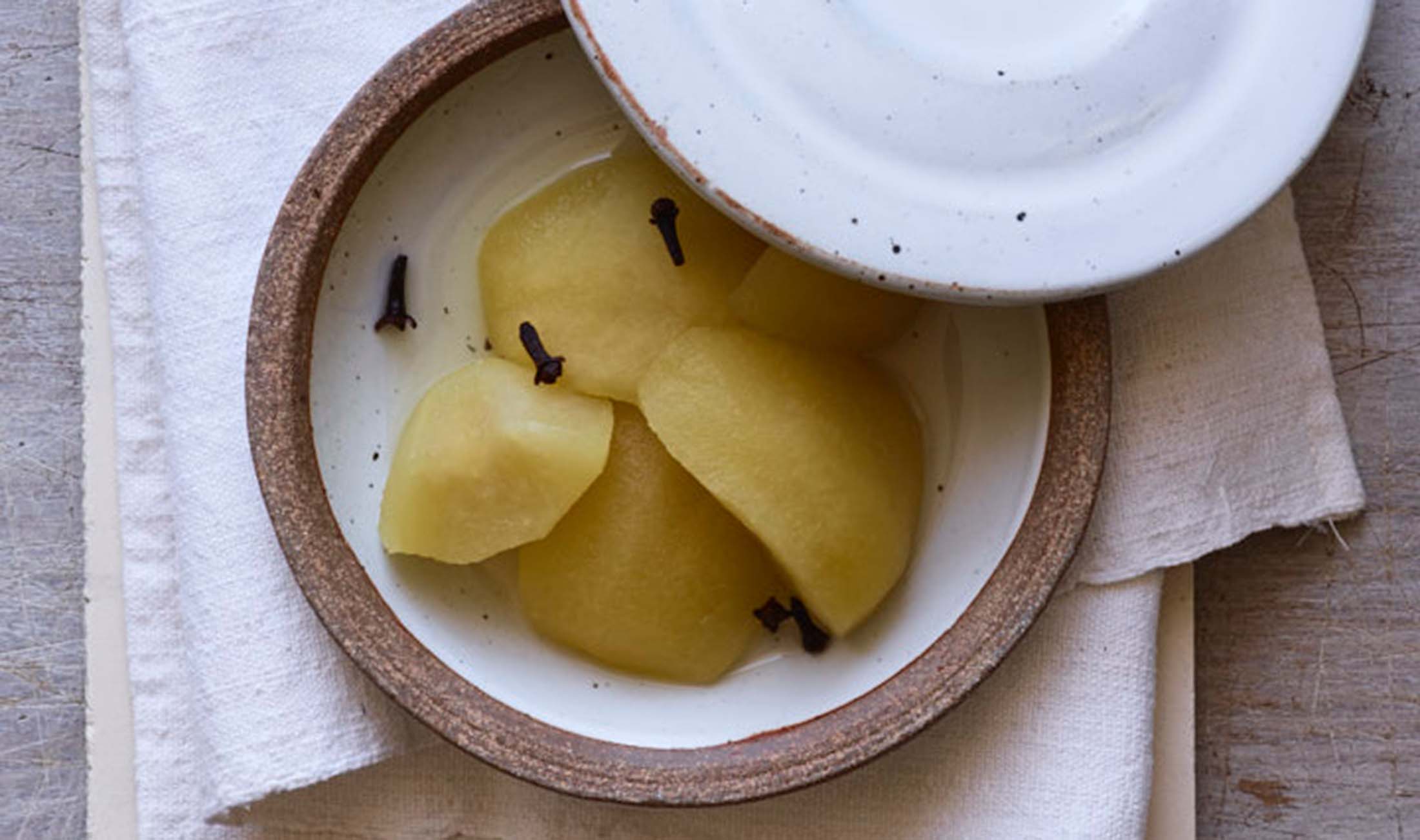
Cooked Apple Pre-Breakfast

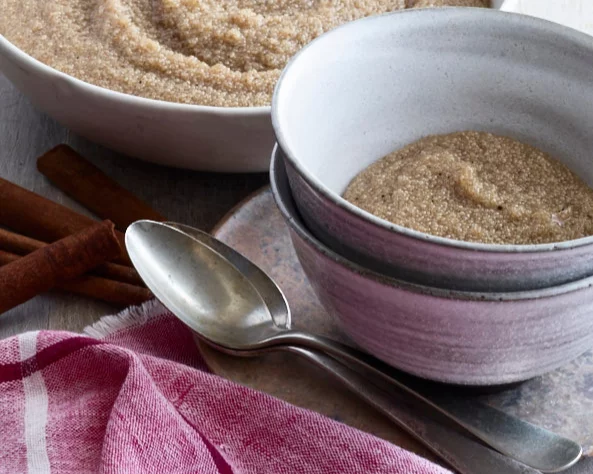
Spiced Amaranth

An Ayurvedic Guide to Safe Sun Exposure

Photo c/o William and Susan Brinson

Why Food Combining Matters

(Adapted from Divya’s book What to Eat for How You Feel)

Imagine putting these people in a room together: an ambitious high achiever, a laid-back pacifist, a quiet daydreamer, a determined activist, and an unflinching pessimist. They may all be great people, but we can’t assemble them and expect a quiet conversation.

It’s the same with food. Every food is good for something, but sometimes eating two good foods together may result in them fighting in your stomach. To enjoy a healthy relationship with food, you have to learn how to mix and match properly. 

Great chefs teach us how to match ingredients to layer friendly flavors and create stunning presentations, but if your goal is to make delicious food that you can digest without any problem, there are a few more key points to consider.

Following proper food combinations is especially important for the sick and weak and for those with chronic gut disorders. Mild digestive problems often result from eating conflicting foods, and so I’ve included a few example guidelines to help you improve your approach to food selection. 

(If you’re interested in learning more about this topic, I cover it in greater detail in both of my cookbooks)

Examples of General Guidelines

Geographical location: It is important to eat foods appropriate for the climate and altitude you live in. Certain recipes may be good to prepare in some parts of the world but not in others. Countries and cultures include specific foods to support the population in that particular environment, and people from other cultures and climates may not be able to handle the same diet. For example, it would be incompatible to eat traditional South Indian (or any tropical) cuisine during winter in New York City. 

Season: It is contradictory to eat dry and cold foods in the winter and sharp and heating foods in the summer. Consult the recipe chapters in What to Eat for How You Feel for help choosing seasonal foods.

Method of preparation: Undercooked, overcooked, or in some cases food cooked without spices has a negative effect on digestion; microwaving kills the life in the food; heating honey above 112oF makes it act as slow poison. These are just some examples.

Palatability: There is no need to force yourself into eating supposedly healthy food while telling yourself “I hate this” with every bite—this alone will cause indigestion. It is much better to enjoy foods that evoke happiness and gratitude.

Resolving Culinary Cultural Confusion

There are many traditional recipes in different cultures of the world that call for mutually contradictory foods. If cheese and beans are a bad match, what do you make of Mexican cuisine? One way to resolve cultural culinary confusion is through the concept of homeostasis: our bodies are coded to do their best to maintain internal stability in order to survive, evolve, and thrive. They carry an intelligence that allows them to adjust and adapt in the face of challenging situations. If you repeatedly consume contradictory foods that do not cause an immediate reaction, your body will find ways to accept such a diet. However, it does come at a price. You may not experience discomfort right away but, in due course, depending on your body’s weak points, eating mutually contradictory foods may result in deep imbalance. People in every culture mix incompatible foods, but we also see prominent diseases in every culture.

You can reduce the negative effects of bad food combinations with the help of spices. Spices enhance metabolism and act as connecting links between ingredients. Even in small doses, spices help reawaken our digestive intelligence.

Going Deeper

The general guidelines and combinations that I’ve listed here are just a small sample of Ayurveda’s wisdom when it comes to improving digestion through proper food combinations. If you’re interested in learning more about these topics, as well as how to choose foods that support your individual body type, check out my new cookbook Joy of Balance.

Recommended Products

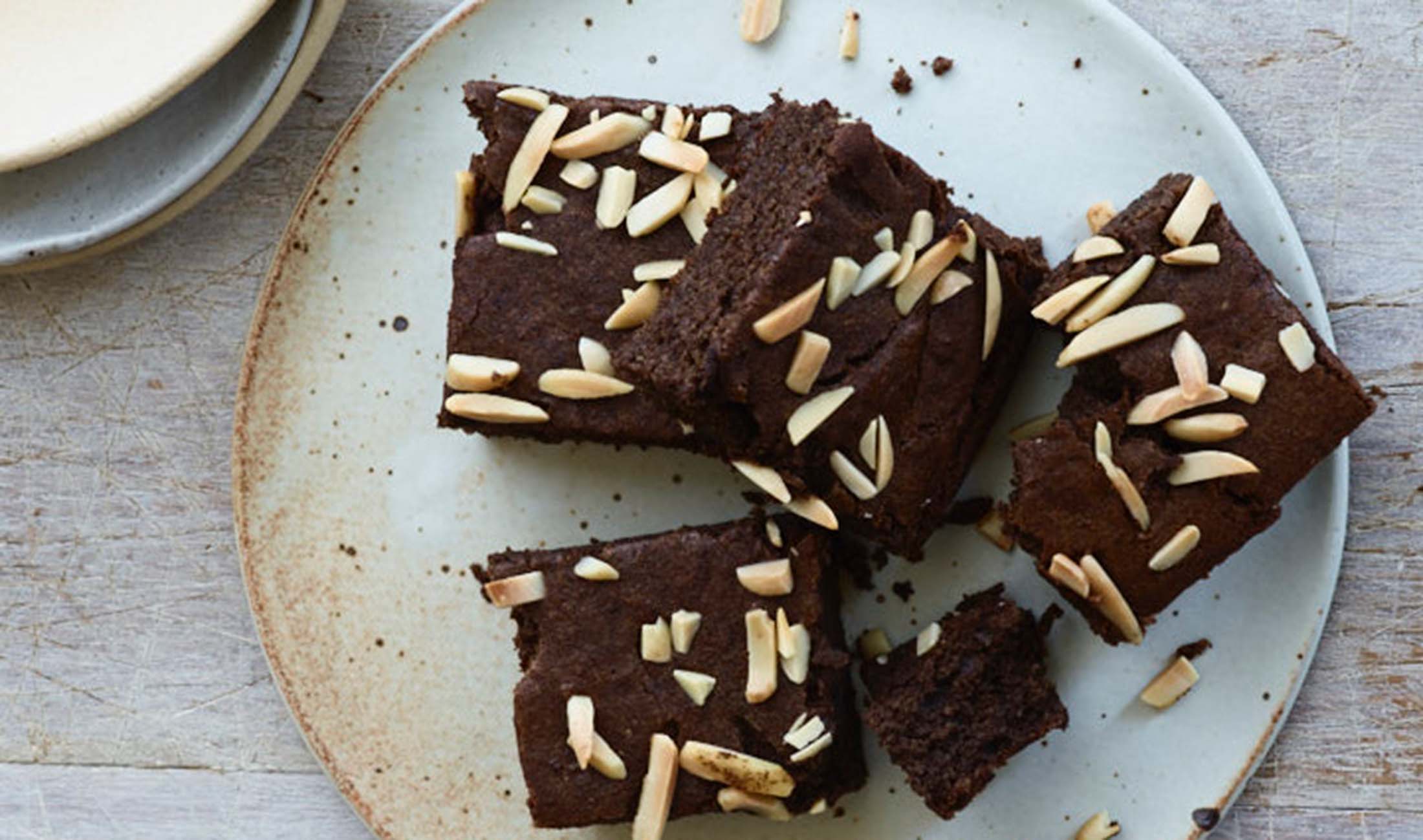
Irresistible Buckwheat Cake

Hydrating Drink aka “Ayurvedic Gatorade”

Turmeric Face Mask

Managing Your Sweet Tooth

Photo c/o Briana Balducci from Divya’s Kitchen

We all crave sweets from time to time. The question is: what do you do when the urge strikes? Do you indulge? Begrudgingly abstain? Or do you enjoy them fully, but in moderation? 

Most importantly: How do you feel after each of the above scenarios? Noticing how you feel after eating sweets (or any other kind of food) is essential for maintaining good health. It allows you to understand your ever-shifting needs and to make the right decisions about what to eat.

Most of the time, we turn to sweets when we’re tired, unmotivated or emotionally drained.  Unfortunately, these foods are limited in how much they help and overindulgence can lead to further imbalances.

5 simple tips

As an alternative, here are some simple tips for transforming sugar cravings (as well as the root feelings of fatigue and emotional heaviness):

  1. Incorporate foods of predominantly pungent, astringent, and bitter tastes. For example, you could use more spices, sunchokes, and dark leafy greens.
  2. Eat wholesome, nutritious meals like our kitcharis and soups with a moderate amount of ghee or olive oil (You can also find more seasonal recipes in Divya’s cookbook What to Eat for How You Feel).
  3. When you’re craving something sweet, ask yourself: Am I really deficient in sugar, or am I craving nourishing food? Am I actually seeking feelings of love, satisfaction, and pleasure that sweet foods seem to provide?
  4. If you can’t avoid giving in to your sugary pleasures, enjoy a small amount mindfully. Try to eat it slowly without distracting yourself. Feel the pleasure the sweetness creates and then tell yourself, “I’ve had enough. Thank you.” 
  5. When choosing sweets, aim for high quality and unprocessed options. For example, you can satisfy your craving by slowly licking a small teaspoon of raw honey. With its astringent-sweet taste, it’s an excellent choice when you feel heavy and sluggish. As a bonus, honey is low-glycemic and can help you lose weight!

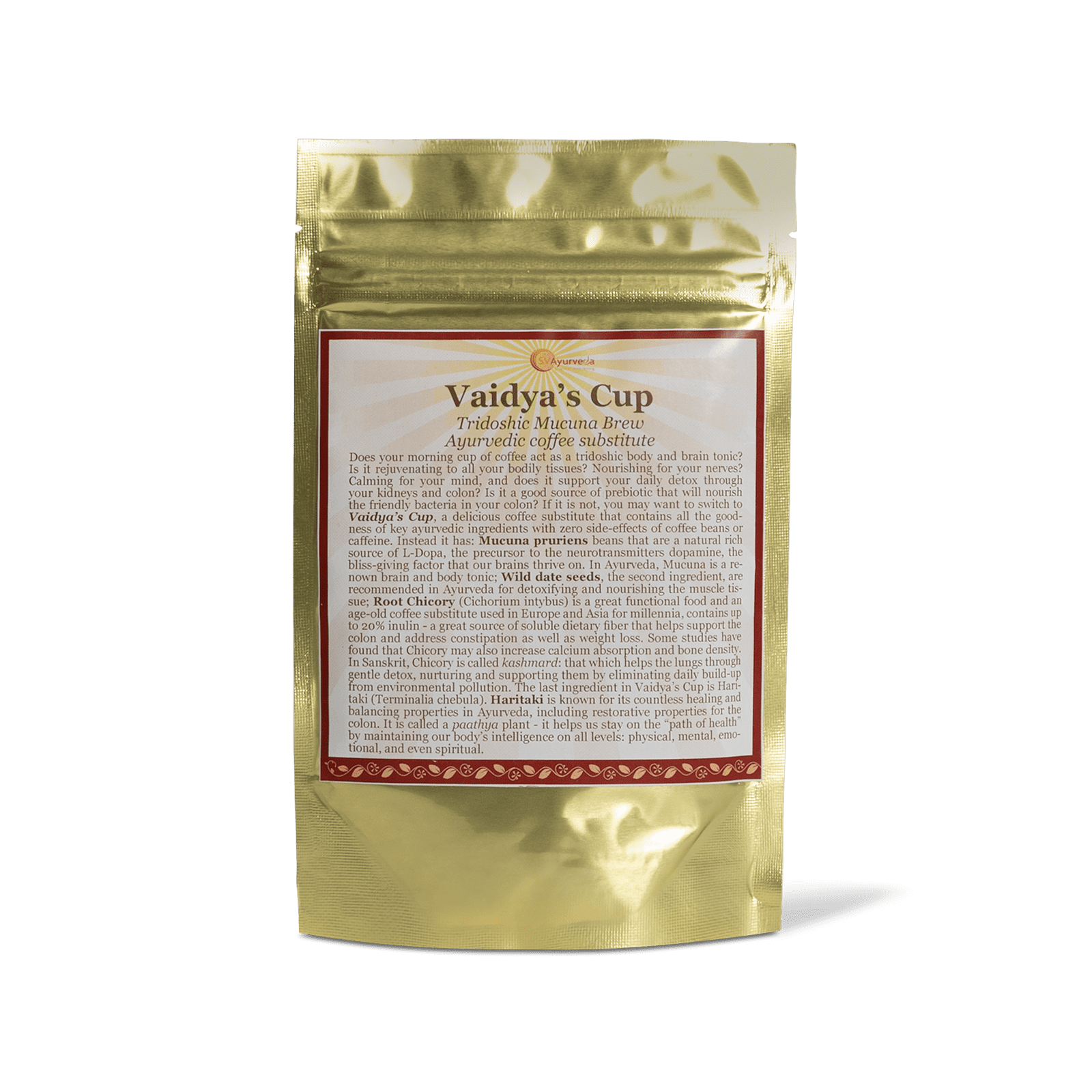
Finally, you can find some excellent teas here at divyas.com that help balance blood sugar after eating sweets and reduce sugar cravings: Gymnema Brew, Vaidya’s Cup, Tripti Tea. Drink any of these after a meal and you will feel energized!

Recommended Products
Items For A Happy Kitchen
0
Your Cart
Your cart is emptyReturn to Shop
Items For A Happy Kitchen
Calculate Shipping